Investing in Precious Metals for Beginners

Precious metals investing

The allure of precious metals as a safe haven investment has captivated individuals for centuries. From ancient civilizations using gold as currency to modern investors seeking diversification, the intrinsic value and perceived stability of precious metals like gold, silver, platinum, and palladium remain compelling. This guide offers beginners a clear path to understanding the world of precious metals investment, exploring various investment vehicles, risk management strategies, and essential steps for navigating this market successfully.

We will demystify the complexities, empowering you to make informed decisions.

This exploration will cover the fundamental characteristics of each metal, examining their unique properties, price drivers, and associated risks. We will delve into diverse investment options, from physical bullion to exchange-traded funds (ETFs) and mining stocks, comparing their respective advantages and disadvantages for beginners. Finally, we will equip you with the knowledge to build a diversified portfolio and effectively manage the inherent risks involved in precious metals investment.

Introduction to Precious Metals Investing

Precious metals, encompassing gold, silver, platinum, and palladium, have long held a unique position in the investment world. Unlike stocks or bonds, their value isn’t tied to the performance of a company or government. Instead, their appeal stems from their inherent properties: scarcity, durability, and historical significance as stores of value. For beginners, understanding this fundamental difference is crucial to grasping their potential as part of a diversified portfolio.Precious metals investing boasts a rich history, stretching back millennia.

Gold, in particular, has been used as currency and a store of wealth across numerous civilizations. The modern era has seen precious metals become increasingly accessible to individual investors through various means, including bullion coins, bars, and exchange-traded funds (ETFs). This increased accessibility has broadened the appeal of precious metals as a potential hedge against economic uncertainty and inflation.

Reasons for Beginners to Consider Precious Metals

Investing in precious metals offers several compelling advantages for those new to the investment landscape. First, they provide a tangible asset, offering a sense of security that some investors find lacking in purely digital investments. Holding a physical gold coin, for example, can be reassuring during times of market volatility. Second, precious metals are often viewed as a safe haven asset, meaning their value tends to hold steady or even increase during times of economic or geopolitical instability.

This characteristic makes them a valuable diversification tool within a broader investment strategy. Finally, their relatively low correlation with other asset classes like stocks and bonds can contribute to a more resilient portfolio overall, reducing overall risk.

Comparison of Precious Metals

The following table provides a concise comparison of the four primary precious metals, highlighting their key characteristics and typical uses:

Metal Typical Use Price Volatility Industrial Demand
Gold (Au) Jewelry, investment, electronics Relatively low Moderate
Silver (Ag) Jewelry, photography, electronics, industrial applications Relatively high High
Platinum (Pt) Autocatalysts, jewelry, electronics Moderate to high High
Palladium (Pd) Autocatalysts, electronics High Very High

Understanding Different Precious Metals

Investing in precious metals offers diversification beyond traditional assets. However, each metal possesses unique characteristics impacting its price and suitability for different investment strategies. Understanding these differences is crucial for making informed decisions. This section explores the properties, price drivers, and investment risks associated with gold, silver, platinum, and palladium.

Gold

Gold, a timeless symbol of wealth and stability, is prized for its rarity, malleability, and resistance to corrosion. Its use in jewelry and electronics contributes significantly to demand. However, central bank activity and investor sentiment are major price drivers. Geopolitical instability often leads to increased gold prices as investors seek safe haven assets.

  • Advantages: Historically stable store of value, low correlation with other assets, liquid market.
  • Disadvantages: Relatively low return potential compared to other assets, susceptible to inflation hedging strategies.

Silver

Silver possesses higher industrial applications than gold, making it more sensitive to economic cycles. Its use in electronics, solar panels, and industrial processes directly influences its price. While it also acts as a safe haven asset, its price is more volatile than gold.

  • Advantages: Industrial demand creates price support, potential for higher returns than gold, relatively affordable entry point.
  • Disadvantages: Higher price volatility than gold, more susceptible to economic downturns.

Platinum

Platinum is a rarer and denser metal than gold, primarily used in automotive catalytic converters and jewelry. Its price is heavily influenced by the automotive industry’s performance and the demand for luxury goods. Supply constraints can significantly impact its price.

  • Advantages: Strong industrial demand, potential for significant price appreciation due to scarcity.
  • Disadvantages: Higher price volatility than gold, less liquid market than gold or silver, significant exposure to the automotive sector.

Palladium

Palladium, often grouped with platinum, is also crucial in automotive catalytic converters. However, its demand is even more concentrated in this sector, making it particularly susceptible to fluctuations in automotive production. Supply shortages can lead to dramatic price spikes.

  • Advantages: Strong industrial demand, potential for high returns driven by supply and demand imbalances.
  • Disadvantages: Extremely high price volatility, highly concentrated demand in the automotive sector, relatively illiquid market.

Investment Vehicles for Precious Metals

Metals precious investing beginners guide articlecity

Investing in precious metals offers various avenues, each with its own set of advantages and disadvantages. Understanding these different vehicles is crucial for beginners to make informed decisions aligned with their risk tolerance and financial goals. This section will explore the most common options, highlighting their key features to help you navigate the world of precious metal investment.

Physical Bullion

Investing directly in physical precious metals, such as gold bars or silver coins, offers tangible ownership. This approach provides a sense of security for some investors, as they physically possess the asset.

Pros: Tangible asset, relatively easy to understand, potential for hedging against inflation.

Cons: Storage costs and security concerns, lack of liquidity compared to other options, potential for theft or damage.

Reputable sources for purchasing physical precious metals include established coin dealers, reputable online retailers specializing in precious metals, and banks.

Exchange-Traded Funds (ETFs)

Precious metal ETFs are investment funds that track the price of a specific precious metal, such as gold or silver. These are traded on stock exchanges, offering a convenient and liquid way to gain exposure to precious metals without the complexities of physical storage.

Pros: High liquidity, relatively low costs, diversification potential.

Cons: Exposure to market fluctuations, counterparty risk (though generally low with reputable ETFs), does not offer the tangible asset ownership of physical bullion.

Mining Stocks

Investing in mining stocks involves purchasing shares of companies that explore, mine, and process precious metals. This approach offers leveraged exposure to the price of the underlying metal, meaning that price movements can be amplified.

Pros: Potential for high returns if the mining company performs well, diversification beyond simply owning the metal itself.

Cons: High risk due to volatility in the mining sector, dependence on the success of a specific company, influenced by factors beyond just the metal price (e.g., operational challenges, regulatory changes).

Comparison of Investment Vehicles

The following table summarizes the key characteristics of these investment vehicles:

Investment Vehicle Costs Risks Liquidity
Physical Bullion Purchase price, storage, insurance Storage, theft, market fluctuations Low
ETFs Management fees, brokerage commissions Market fluctuations, counterparty risk High
Mining Stocks Brokerage commissions High volatility, company-specific risk Medium to High (depending on the stock)

Risk Management and Diversification

Investing in precious metals, while offering potential for growth and inflation hedging, carries inherent risks. A well-structured strategy, incorporating diversification and risk management techniques, is crucial for mitigating potential losses and maximizing returns. This section Artikels key considerations for navigating the complexities of precious metals investment.Diversification is paramount in precious metals investment portfolios. A portfolio concentrated solely in one metal, such as gold, exposes investors to significant volatility should that specific metal’s price decline.

Spreading investments across different precious metals – gold, silver, platinum, palladium – reduces the impact of price fluctuations in any single asset. Furthermore, diversification should also extend beyond just precious metals.

Strategies for Managing Risk in Precious Metals Investments

Effective risk management involves understanding the market dynamics influencing precious metal prices and implementing strategies to mitigate potential losses. This includes staying informed about macroeconomic factors such as inflation, interest rates, and geopolitical events, all of which can significantly impact precious metal prices. Investors should also consider the inherent volatility of the precious metals market and adjust their investment strategy accordingly.

For instance, a conservative investor might opt for a longer-term investment horizon to weather short-term price fluctuations. Regular portfolio reviews are essential to assess performance and make necessary adjustments based on market conditions.

Best Practices for Beginners to Avoid Common Pitfalls

Beginners often fall prey to common mistakes in precious metals investing. One prevalent error is emotional decision-making, driven by market hype or fear. Instead, a disciplined approach based on thorough research and a well-defined investment plan is crucial. Another common pitfall is neglecting storage and security. Physical precious metals require secure storage solutions, which might involve costs and logistical considerations.

Furthermore, it’s essential to be wary of fraudulent schemes promising unrealistic returns. Thorough due diligence and choosing reputable dealers are vital. Finally, understanding the tax implications associated with precious metals investments is essential for effective financial planning.

Incorporating Precious Metals into a Broader Investment Strategy

Precious metals shouldn’t be viewed in isolation but as a component of a broader, diversified investment portfolio. They can serve as a hedge against inflation and economic uncertainty, complementing traditional assets like stocks and bonds. The ideal allocation of precious metals within a portfolio depends on individual risk tolerance, investment goals, and overall financial situation. For example, a conservative investor might allocate a smaller percentage to precious metals, while a more aggressive investor might allocate a larger percentage, depending on their risk tolerance and investment horizon.

It’s recommended to consult with a qualified financial advisor to determine the appropriate allocation for your specific circumstances.

Practical Steps for Beginners

Precious metals investing

Investing in precious metals can seem daunting, but with a structured approach and careful planning, beginners can navigate this market effectively. This section provides a practical, step-by-step guide to help you begin your precious metals investment journey. Remember that investing always involves risk, and it’s crucial to understand your own risk tolerance before proceeding.

Starting Your Precious Metals Investment

Begin by defining your investment goals and risk tolerance. Are you looking for long-term growth, diversification, or a hedge against inflation? Understanding your objectives will guide your investment choices. Next, research different precious metals – gold, silver, platinum, and palladium – to understand their historical performance, market trends, and inherent risks. Consider your budget and allocate a portion of your investment portfolio to precious metals, ensuring it aligns with your overall financial strategy.

Avoid investing more than you can comfortably afford to lose. Finally, choose a reputable dealer or brokerage to facilitate your purchases. This involves comparing fees, storage options, and the overall reputation of the firm.

Due Diligence and Resource Identification

Thorough due diligence is paramount. Begin by researching the chosen precious metals dealer or brokerage. Verify their licensing, check online reviews and ratings from independent sources, and confirm their adherence to industry best practices. Reputable firms will readily provide this information. Consult government websites and financial news sources for market analysis and insights into precious metals trends.

Websites of established precious metals companies and financial news outlets like Bloomberg and Reuters offer valuable market data and analysis. Utilize reputable financial publications and books that offer in-depth analysis of precious metal markets and investment strategies.

Essential Considerations Checklist

Before investing, create a checklist addressing key factors. This checklist should include:

  • Clearly defined investment goals and risk tolerance.
  • Understanding of the different precious metals and their characteristics.
  • Selection of a reputable dealer or brokerage with transparent fees and secure storage options.
  • Diversification strategy across different precious metals or investment vehicles.
  • A plan for managing potential risks, including market volatility and storage security.
  • Regular monitoring of your investment portfolio and market conditions.

This comprehensive checklist ensures a well-informed and strategic approach to investing in precious metals.

Importance of Consulting a Financial Advisor

Consulting a qualified financial advisor is highly recommended, especially for significant investments. A financial advisor can provide personalized guidance based on your individual financial situation, risk tolerance, and investment goals. They can help you determine the appropriate allocation of precious metals within your overall portfolio, ensuring it aligns with your broader financial objectives. They can also offer insights into tax implications and other relevant financial considerations.

For instance, a financial advisor could help you determine if a precious metals IRA is suitable for your retirement plan, considering tax advantages and potential risks. They can also help you navigate complex investment strategies and avoid costly mistakes.

Precious Metals: A Deeper Dive

Precious metals, unlike base metals, hold a unique position in the global economy, driven by their inherent properties and historical significance. Their geological formation, distribution, and role in finance significantly influence their price and demand, making understanding these factors crucial for any investor. Technological advancements also play a considerable role, constantly reshaping the landscape of precious metals markets.

Geological Formation and Global Distribution of Precious Metals

Precious metals are formed through various geological processes, primarily associated with magmatic activity deep within the Earth’s crust. Gold, for instance, often forms in hydrothermal veins, where hot, mineral-rich fluids deposit metals within cracks and fissures of rocks. Platinum group metals (PGMs), including platinum and palladium, are frequently found in layered igneous intrusions, formed by the slow cooling of magma.

The global distribution of these metals is uneven, with significant deposits concentrated in specific regions. South Africa, for example, is renowned for its substantial platinum and chromium reserves, while Australia boasts considerable gold deposits. The uneven distribution contributes to geopolitical factors influencing supply and, consequently, price. The concentration of specific metals in particular geological formations leads to variations in mining costs and the overall availability of these resources in the global market.

The Role of Precious Metals in Global Finance and Economics

Precious metals have long served as a store of value, a hedge against inflation, and a safe haven asset during times of economic uncertainty. Their inherent scarcity and durability make them attractive investments. Gold, in particular, has been used as a monetary standard throughout history, and central banks worldwide hold significant gold reserves as a component of their foreign exchange reserves.

This demand from central banks contributes significantly to the overall price stability and demand for gold. The use of precious metals in jewelry and other decorative arts also contributes to the market demand, influencing prices. Furthermore, industrial applications, particularly for platinum and palladium in automotive catalytic converters, significantly impact their market dynamics. The interplay between these different uses—monetary, investment, industrial, and decorative—shapes the overall price of precious metals.

The Impact of Technological Advancements on the Demand for Precious Metals

Technological advancements continuously impact the demand for precious metals. For instance, the growing adoption of electric vehicles is expected to reduce the demand for palladium and platinum used in catalytic converters, while simultaneously increasing the demand for these metals in other emerging technologies such as fuel cells and electronics. The development of new alloys and materials could also affect the demand for specific precious metals, creating both opportunities and challenges for investors.

The rise of 3D printing and additive manufacturing is already influencing the usage of precious metals in various industries, altering the demand patterns from traditional casting and refining processes. This highlights the dynamic nature of the precious metals market and the importance of staying informed about technological trends.

A Timeline of Significant Historical Events Affecting Precious Metals Prices

A concise timeline illustrating significant historical events affecting precious metals prices helps visualize the impact of global events on market trends.

Year Event Impact on Precious Metals Prices
1971 Nixon Shock (end of the Bretton Woods system) Increased gold prices significantly, marking the beginning of a long-term bull market.
1980 Reagan’s election and high inflation Gold prices reached record highs.
2008 Global financial crisis Safe-haven demand pushed gold prices higher.
2020 COVID-19 pandemic Increased uncertainty and stimulus measures boosted demand for gold and other precious metals.

Investing in precious metals presents a unique opportunity for diversification and potential long-term growth. However, success requires a well-informed approach, incorporating careful research, risk management, and potentially professional financial advice. By understanding the nuances of each metal, the various investment vehicles available, and the importance of diversification, beginners can embark on this journey with confidence. Remember, thorough due diligence and a long-term perspective are crucial for navigating the dynamic world of precious metals investment and achieving your financial goals.

FAQ Summary

What are the transaction costs associated with buying physical precious metals?

Transaction costs vary depending on the vendor and the quantity purchased. Expect premiums above the spot price to cover dealer costs and profit margins. Smaller purchases generally incur higher premiums per ounce.

How do I store physical precious metals securely?

Secure storage is crucial. Options include home safes, safety deposit boxes at banks, or specialized storage facilities designed for precious metals. Insurance is also recommended.

What are the tax implications of investing in precious metals?

Capital gains taxes apply to profits from selling precious metals. Consult a tax professional for specific advice, as tax laws vary by jurisdiction.

How can I determine if a precious metals dealer is reputable?

Check for licensing and accreditation. Look for established businesses with positive customer reviews and transparent pricing. Verify their physical address and contact information.
Precious Metals Market Trends A Comprehensive Overview

Precious metals cryptocurrency technavio boost

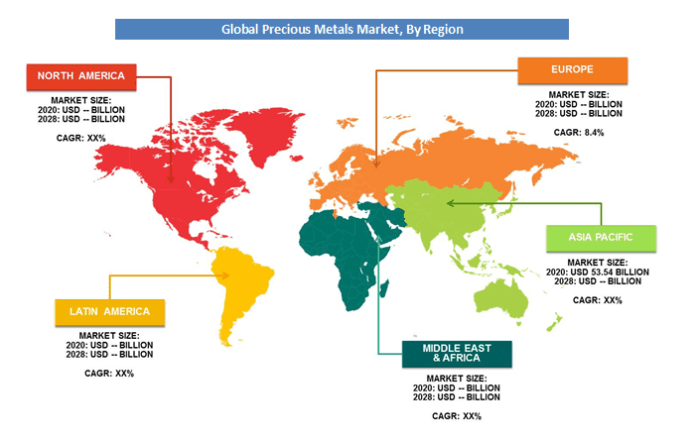
The precious metals market, encompassing gold, silver, platinum, and palladium, has long held a pivotal role in global finance and investment. These metals, prized for their rarity, durability, and inherent value, fluctuate in price based on a complex interplay of economic, geopolitical, and technological factors. Understanding these dynamics is crucial for investors, businesses, and anyone interested in the global economy.

From their historical significance as currency and store of value to their modern applications in technology and industry, precious metals continue to shape the world’s financial landscape. This exploration delves into the intricacies of supply and demand, investment strategies, geopolitical influences, and the future outlook for this dynamic market, providing a comprehensive understanding of this fascinating and vital sector.

Introduction to Precious Metals

Metals investing glitters ranking platinum

The precious metals market encompasses a group of valuable metals highly prized for their rarity, durability, and inherent properties. Gold, silver, platinum, and palladium are the most prominent, each possessing unique characteristics that drive their demand across various sectors. Their historical significance is deeply intertwined with monetary systems, investment strategies, and industrial applications, a legacy that continues to shape their current role in the global economy.Precious metals have served as a store of value for millennia, predating fiat currencies.

Gold, in particular, has held a central position in global monetary systems, acting as a benchmark for currency valuation and a safe haven asset during times of economic uncertainty. Today, while fiat currencies dominate, precious metals maintain their importance as a hedge against inflation, geopolitical instability, and currency devaluation. Their role in investment portfolios is significant, providing diversification and potentially mitigating risks associated with other asset classes.

Beyond finance, these metals are crucial in various industries, contributing to technological advancements in areas such as electronics, automotive manufacturing, and medical applications.

Factors Influencing Precious Metal Prices

Several interconnected factors contribute to the price fluctuations observed in the precious metals market. Supply and demand dynamics are fundamental drivers. Changes in mining production, recycling rates, and industrial consumption directly impact the availability of these metals. Simultaneously, investor sentiment, driven by economic conditions, geopolitical events, and market speculation, significantly influences demand. For instance, during periods of economic uncertainty, investors often flock to precious metals, perceiving them as safe haven assets, leading to price increases.

Conversely, a robust global economy might see reduced demand as investors shift their focus towards riskier, higher-return assets.Furthermore, government policies, particularly those related to monetary policy and regulations, can have a considerable impact. For example, changes in interest rates or quantitative easing programs can influence the attractiveness of precious metals relative to other investment options. Currency fluctuations also play a role, as precious metals are typically priced in US dollars, meaning changes in the dollar’s value can affect the price of these metals in other currencies.

Finally, technological advancements and industrial applications continually influence the demand for specific metals. For example, the growing demand for electric vehicles has increased the demand for palladium, a key component in catalytic converters. The interplay of these factors creates a complex and dynamic market, making price prediction challenging but also offering opportunities for astute investors.

Supply and Demand Dynamics

Precious metals cryptocurrency technavio boost

The precious metals market, encompassing gold, silver, platinum, and palladium, is significantly influenced by the interplay of supply and demand. Understanding these dynamics is crucial for navigating the price fluctuations and investment opportunities within this sector. This section will delve into the global supply chains, key production regions, mining methodologies, and the diverse factors driving demand for these valuable metals.

Global Supply of Precious Metals

Global supply of precious metals is geographically concentrated, with specific countries dominating production for each metal. Gold mining, for instance, is heavily concentrated in countries like China, Australia, and Russia, employing a variety of techniques ranging from large-scale open-pit mining to smaller-scale artisanal operations. Similarly, silver production is significant in Mexico, Peru, and China, often extracted as a byproduct of other mining activities.

Platinum and palladium production is largely dominated by South Africa and Russia, relying on sophisticated underground mining techniques given the geological context of these deposits. Mining techniques vary depending on the geological location and the specific metal being extracted, with considerations for environmental impact and operational efficiency playing increasingly important roles.

Factors Influencing Demand for Precious Metals

Demand for precious metals is multifaceted, driven by a complex interplay of industrial, investment, and jewelry applications. Industrial demand encompasses uses in electronics, automotive catalysts (particularly platinum and palladium), and various other specialized applications. The jewelry sector represents a substantial portion of demand, especially for gold and silver, influenced by cultural preferences, economic conditions, and fashion trends. Finally, investment demand, driven by safe-haven asset considerations and portfolio diversification strategies, significantly influences price movements, especially in the gold market.

Changes in economic outlook, geopolitical events, and investor sentiment all affect this aspect of demand.

Comparison of Supply and Demand Dynamics

The supply and demand dynamics of gold, silver, platinum, and palladium exhibit unique characteristics. Gold, often viewed as a safe-haven asset, sees relatively stable demand across various sectors, while supply is relatively inelastic in the short term due to the time lag in mine development. Silver, with its diverse industrial applications, shows more volatile demand fluctuations depending on technological advancements and economic cycles.

Platinum and palladium, heavily reliant on the automotive industry, experience demand directly linked to vehicle production levels and regulatory changes concerning emissions.

Metal Supply Trends (Past 5 Years) Demand Trends (Past 5 Years) Price Trends (Past 5 Years)
Gold Relatively stable, with minor fluctuations based on mine production and recycling rates. Steady demand from investment, jewelry, and technology sectors. Fluctuations based on macroeconomic conditions and investor sentiment. Generally upward trend, with periods of volatility influenced by macroeconomic factors and geopolitical events.
Silver Fluctuating supply, influenced by byproduct production from other metal mining. Significant industrial demand, with fluctuations based on technological advancements and economic activity. Jewelry demand also influences price. More volatile price movements than gold, reflecting the sensitivity of industrial demand to economic cycles.
Platinum Concentrated supply from South Africa and Russia, susceptible to geopolitical risks and mining disruptions. Heavily reliant on the automotive industry for catalytic converter applications. Subject to fluctuations based on vehicle production and emission regulations. Price trends influenced by automotive demand and supply disruptions.
Palladium Similar supply concentration to platinum, with potential for supply shortages due to limited production capacity. Strong demand from the automotive industry, similar to platinum. Susceptible to fluctuations based on vehicle production and emission regulations. Generally upward trend in recent years, reflecting strong demand and supply constraints.

The precious metals market presents a captivating blend of historical significance, economic forces, and technological innovation. While price volatility remains a characteristic feature, understanding the underlying factors—from supply and demand dynamics to geopolitical events and technological advancements—allows for informed decision-making. Whether considering investment opportunities, assessing industrial applications, or simply comprehending global economic trends, a grasp of the precious metals market is increasingly essential in our interconnected world.

FAQ Overview

What are the risks associated with investing in precious metals?

Like any investment, precious metals carry risks. Price volatility is a significant factor, and market fluctuations can lead to losses. Storage costs for physical bullion and counterparty risk for ETFs are also considerations.

How can I diversify my precious metals portfolio?

Diversification is key. Consider investing in different precious metals (gold, silver, platinum, palladium) and through various instruments (physical bullion, ETFs, mining stocks) to spread risk.

Where can I buy physical precious metals?

Reputable dealers, online platforms, and some banks offer physical precious metals for purchase. It’s crucial to verify the authenticity and purity of the metals before buying.

What is the role of central banks in the precious metals market?

Central banks often hold significant reserves of gold, influencing market supply and demand. Their buying and selling activities can significantly impact prices.

Precious Metals ETF A Comprehensive Guide

Metals etfs top10 thestreet rank

Precious metals ETFs offer a compelling investment avenue, providing diversified exposure to the precious metals market without the complexities of physically holding gold, silver, platinum, or palladium. This guide delves into the intricacies of these ETFs, examining their underlying dynamics, investment strategies, and historical performance. We’ll explore the factors influencing precious metal prices, compare various ETFs, and discuss the risks and rewards involved.

Understanding the relationship between precious metals and macroeconomic factors like inflation and geopolitical instability is crucial for informed investment decisions. This guide aims to equip readers with the knowledge necessary to navigate the world of precious metals ETFs effectively, empowering them to make strategic choices aligned with their financial goals.

Comparison of Different Precious Metals ETFs

Metals precious comparing etfs finance source google

Investing in precious metals through Exchange Traded Funds (ETFs) offers diversification and convenient access to a commodity market often considered a safe haven during economic uncertainty. However, choosing the right ETF requires careful consideration of several factors, including investment objectives, underlying assets, and expense ratios. This section compares three prominent precious metals ETFs to illustrate the nuances of these investment vehicles.

Investment Objectives, Holdings, and Expense Ratios of Selected Precious Metals ETFs

Understanding the investment objectives, holdings, and expense ratios is crucial for making informed investment decisions. These factors directly influence the ETF’s performance and overall cost-effectiveness. The following bullet points compare three distinct ETFs: the SPDR Gold Shares (GLD), iShares Silver Trust (SLV), and Invesco DB Commodity Index Tracking Fund (DBC). Note that ETF holdings and expense ratios can change, so it’s always advisable to check the most up-to-date information from the provider’s website.

  • SPDR Gold Shares (GLD): This ETF aims to reflect the performance of gold bullion. Its holdings primarily consist of physical gold bars stored in secure vaults. It generally has a low expense ratio, making it a cost-effective way to gain gold exposure.
  • iShares Silver Trust (SLV): Similar to GLD, SLV tracks the price of silver bullion. Its holdings consist mainly of physical silver bars. Like GLD, it typically maintains a low expense ratio.
  • Invesco DB Commodity Index Tracking Fund (DBC): Unlike GLD and SLV, DBC is a broad commodity index fund. While it includes gold and silver, it also invests in other commodities like oil and natural gas. Consequently, its performance is influenced by the broader commodity market, and its expense ratio might be higher than that of gold- or silver-only ETFs.

Performance Differences Between Gold and Silver ETFs

Gold and silver, while both precious metals, exhibit different price movements influenced by various economic and market factors. This leads to variations in the performance of ETFs tracking these metals.Gold is often seen as a safe-haven asset, meaning its price tends to increase during times of economic uncertainty or geopolitical instability. Silver, while also a precious metal, is more sensitive to industrial demand.

Therefore, its price can fluctuate more significantly based on factors such as manufacturing activity and technological advancements.

For example, during periods of high inflation, gold prices often rise as investors seek to protect their purchasing power. Conversely, silver’s price might respond more strongly to changes in industrial production.

The performance difference between gold and silver ETFs is not consistent; it varies depending on the prevailing market conditions. A detailed analysis of historical data is required to fully understand these differences. However, it’s generally accepted that gold exhibits less volatility than silver, making it a potentially less risky investment for some investors.

Precious Metals

Metals etfs top10 thestreet rank

Precious metals, encompassing gold, silver, platinum, and palladium, have held significant value throughout history, driven by a complex interplay of factors extending beyond their inherent properties. Their enduring appeal stems from a combination of perceived scarcity, cultural significance, and their role as a store of value during times of economic uncertainty.

Factors Contributing to the Perceived Value of Precious Metals

The perceived value of precious metals is a multifaceted phenomenon. Their inherent properties, such as rarity, durability, and resistance to corrosion, contribute significantly to their desirability. Gold’s lustrous yellow color and malleability have made it a prized material for ornamentation and currency for millennia. Silver’s antimicrobial properties have added to its practical and symbolic value. Platinum and palladium’s resistance to corrosion and high melting points are crucial for industrial applications, further bolstering their value.

Beyond these physical attributes, the cultural and historical significance associated with precious metals plays a vital role. Gold, for example, has been consistently associated with wealth, power, and divinity across various cultures throughout history. This symbolic weight reinforces its perceived value, even independently of its industrial uses. Finally, the perceived stability of precious metals as a hedge against inflation and economic downturns fuels investment demand, further driving up prices.

This is exemplified by the increased demand for gold during periods of economic uncertainty, as investors seek safe haven assets.

Industrial Uses of Precious Metals

Beyond their investment appeal, precious metals play crucial roles in numerous industries. Gold’s excellent conductivity makes it indispensable in electronics, particularly in high-performance applications such as smartphones and computers. Silver is used extensively in solar panels due to its exceptional reflectivity and conductivity, making it vital for renewable energy technologies. Platinum and palladium are catalytic converters in automobiles, reducing harmful emissions.

Platinum is also critical in the production of chemotherapy drugs, showcasing its importance in the medical field. The diverse applications of these metals across various sectors underscore their importance beyond their role as investment vehicles. For example, the growing demand for electronics and renewable energy sources is directly linked to the increasing industrial demand for gold and silver, respectively.

The Role of Central Banks and Governments in Influencing Precious Metals Markets

Central banks and governments exert considerable influence on precious metals markets through their buying and selling activities. Central banks often hold significant gold reserves as part of their foreign exchange reserves, acting as a major force in the gold market. Their buying or selling decisions can significantly impact gold prices. Government policies, such as regulations on mining and refining, also play a role.

Import and export restrictions, environmental regulations, and tax policies can all affect the supply and demand dynamics of precious metals. For instance, a country imposing stricter environmental regulations on mining could reduce the supply of a particular metal, potentially leading to price increases. Conversely, government subsidies for mining operations might increase supply, influencing market prices downwards.

Environmental and Social Considerations Related to Precious Metal Mining and Refining

Precious metal mining and refining present significant environmental and social challenges. Mining activities can lead to habitat destruction, water pollution, and greenhouse gas emissions. The use of chemicals in the refining process can also pose risks to human health and the environment. Furthermore, mining operations can have negative social impacts on local communities, including displacement, health issues, and conflicts over resource access.

Sustainable mining practices, such as responsible sourcing and recycling, are crucial to mitigate these negative impacts. Initiatives promoting transparency and traceability in the precious metals supply chain are gaining traction, aiming to ensure that precious metals are sourced ethically and responsibly. The growing awareness of these environmental and social concerns is increasingly influencing investor preferences and corporate social responsibility initiatives.

Investing in precious metals ETFs presents a unique opportunity to diversify portfolios and potentially hedge against inflation. While inherent risks exist, careful consideration of investment strategies, ETF selection criteria, and a thorough understanding of market dynamics can significantly improve investment outcomes. This guide provides a foundational understanding, encouraging further research and consultation with financial advisors before making any investment decisions.

Question & Answer Hub

What are the tax implications of investing in Precious Metals ETFs?

Tax implications vary depending on your jurisdiction and holding period. Capital gains taxes may apply upon sale, and dividend distributions (if any) are also taxable. Consult a tax professional for personalized advice.

How do I buy and sell Precious Metals ETFs?

Precious Metals ETFs are traded like stocks on major exchanges. You can buy and sell them through a brokerage account, just as you would with any other publicly traded security.

Are Precious Metals ETFs suitable for all investors?

No, Precious Metals ETFs carry risk, and suitability depends on individual risk tolerance, investment goals, and overall portfolio diversification. They are generally considered a long-term investment, not suitable for short-term speculation.

What are the risks associated with currency fluctuations when investing in Precious Metals ETFs?

Precious metals are priced in various currencies (often USD). Fluctuations in exchange rates can impact the value of your investment, particularly if you are not investing in the currency the ETF is denominated in.

Precious Metals ETFs vs Physical Metals Investing Strategies

Metals precious comparing etfs finance source google

The allure of precious metals – gold, silver, platinum, and palladium – as a hedge against inflation and economic uncertainty has captivated investors for centuries. Today, accessing this market involves a crucial decision: investing in precious metals exchange-traded funds (ETFs) or acquiring physical bullion. Both options offer unique advantages and drawbacks, demanding a careful consideration of individual financial goals and risk tolerance.

This exploration delves into the intricacies of each approach, enabling informed investment choices.

Understanding the nuances of precious metal price fluctuations, driven by factors such as global economic conditions, geopolitical events, and industrial demand, is paramount. This analysis compares the liquidity, tax implications, and inherent risks associated with ETFs versus physical possession, providing a framework for building a diversified portfolio tailored to specific investment objectives. We will examine various investment strategies, including the strategic combination of both ETFs and physical metals, to optimize returns while mitigating potential losses.

Introduction to Precious Metals

Precious metals, encompassing gold, silver, platinum, and palladium, have held significant cultural and economic value for millennia. Their inherent properties, such as rarity, durability, and resistance to corrosion, have driven their use in currency, jewelry, and industrial applications, shaping global economies and influencing historical events. Understanding these metals’ characteristics and the factors affecting their prices is crucial for investors considering exposure to this asset class.Precious metal prices are influenced by a complex interplay of factors.

Supply and demand dynamics play a significant role, with mining production, industrial consumption, and investment demand all impacting price fluctuations. Geopolitical events, economic conditions (including inflation and interest rates), and currency movements also exert considerable influence. For example, periods of economic uncertainty often lead to increased investment demand for gold, driving its price higher as investors seek a safe haven asset.

Conversely, strong economic growth can boost industrial demand for platinum and palladium, used extensively in automotive catalytic converters, leading to price increases in these metals. Central bank policies, particularly regarding monetary easing or tightening, also have a substantial effect on the overall precious metals market.

Forms of Precious Metal Investment

Investors can access the precious metals market through various avenues. Physical ownership, involving the direct purchase of bullion bars or coins, offers tangible asset control but necessitates secure storage and insurance considerations. Exchange-Traded Funds (ETFs) provide a convenient and cost-effective way to gain exposure to precious metals without the complexities of physical storage. These ETFs track the price of a specific metal, allowing investors to buy and sell shares representing a fractional ownership of the underlying asset.

Furthermore, investors can gain exposure through futures contracts, which involve agreeing to buy or sell a specific quantity of a precious metal at a future date. This strategy is often employed by sophisticated investors seeking to speculate on price movements or hedge against market risks. Finally, mining company stocks offer another route to participation, allowing investors to profit from the production and sale of precious metals, although this is subject to the performance of the specific company, rather than just the metal’s price.

Precious Metals ETFs Explained

Etf physical

Precious metals exchange-traded funds (ETFs) offer investors a convenient and cost-effective way to gain exposure to the precious metals market without the need to physically purchase and store gold, silver, platinum, or palladium. These funds track the price of a specific precious metal or a basket of metals, allowing investors to participate in price movements through the purchase and sale of ETF shares on a stock exchange.Precious metals ETFs function similarly to other ETFs, mirroring the performance of an underlying index or benchmark.

When you buy shares of a gold ETF, for example, you are essentially buying a proportionate share of the gold held by the ETF. The fund manager is responsible for purchasing and managing the physical metal or related derivatives, while investors benefit from the price fluctuations without the complexities of direct ownership.

Advantages and Disadvantages of Precious Metals ETFs

Investing in precious metals ETFs presents several advantages. They offer liquidity, allowing for easy buying and selling of shares throughout the trading day. They also tend to be more affordable than purchasing physical metals, due to lower storage and insurance costs. Furthermore, ETFs provide diversification benefits, particularly diversified precious metals ETFs which allow exposure to multiple metals.

However, there are disadvantages to consider. ETFs are subject to market fluctuations, and their performance is directly tied to the price of the underlying metal(s). Additionally, there are expense ratios associated with ETF ownership, which can impact overall returns. Finally, while generally considered safe, the value of ETFs can be affected by broader market conditions and investor sentiment.

Types of Precious Metals ETFs

Precious metals ETFs are available for various metals, offering investors choices tailored to their investment strategies and risk tolerance. Gold ETFs are the most common, tracking the price of gold. Silver ETFs offer exposure to silver, a metal often considered more volatile than gold. Platinum and palladium ETFs cater to investors interested in these industrial metals. Diversified precious metals ETFs provide exposure to a basket of precious metals, potentially reducing overall portfolio volatility through diversification.

The choice depends on individual risk tolerance and investment objectives. For instance, an investor seeking stability might prefer a gold ETF, while a more risk-tolerant investor might consider a diversified precious metal ETF or one focused on silver.

Comparison of Precious Metals ETFs

The following table compares three different precious metals ETFs. Note that ETF performance and expense ratios can fluctuate; this data represents a snapshot in time and should not be considered investment advice. Always consult up-to-date information from reliable financial sources before making any investment decisions.

ETF Name Expense Ratio Holdings Tracking Method
iShares Gold Trust (IAU) ~0.40% Physical gold Physically-backed
Invesco DB Commodity Index Tracking Fund (DBC) ~0.85% Broad range of commodities, including precious metals futures contracts Futures-based
Aberdeen Standard Physical Gold ETC (SGLN) ~0.20% Physical gold Physically-backed

Physical Precious Metals Explained

Investing in physical precious metals like gold and silver offers a tangible asset class distinct from ETFs. Understanding the process of acquisition, storage, and associated costs is crucial for informed decision-making. This section details the practical aspects of owning physical precious metals.

Buying and Storing Physical Precious Metals

Purchasing physical precious metals typically involves finding a reputable dealer, either online or in person. Dealers offer various forms, including bullion bars (typically larger quantities) and coins (often preferred for their numismatic value and easier divisibility). The purchase process generally involves selecting the desired metal, quantity, and form, followed by payment and delivery. For larger purchases, secure delivery methods, such as insured shipping, are essential.

Storage options range from home safes (for smaller quantities) to private vaults (for significant holdings) offered by specialized companies. Choosing the appropriate storage solution depends on the quantity of metal owned and the level of security desired.

Advantages and Disadvantages of Owning Physical Precious Metals

Owning physical precious metals presents several advantages. Tangibility provides a sense of security and direct ownership, unlike the indirect ownership offered by ETFs. Physical metals are generally considered a hedge against inflation and currency devaluation. Furthermore, they can offer a degree of privacy not always associated with electronic investments. However, disadvantages include storage costs and security risks.

The need for secure storage adds expense and complexity. Liquidity can also be a concern, as selling physical metals might require finding a buyer and negotiating a price, unlike the immediate liquidity of ETFs. Finally, the potential for theft or loss necessitates careful consideration of security measures.

Security Considerations for Storing Physical Precious Metals

Security is paramount when storing physical precious metals. Home safes offer a basic level of security, but their effectiveness depends on their quality and the overall security of the residence. For larger quantities, renting space in a professionally managed vault is recommended. These facilities often employ advanced security measures, including surveillance systems, access controls, and insurance against theft or damage.

The choice between home storage and a professional vault depends on the quantity and value of the metals owned, as well as the individual’s risk tolerance. It is advisable to consider factors like location, insurance coverage, and reputation when selecting a storage provider.

Costs Associated with Buying and Storing Physical Precious Metals

Several costs are associated with owning physical precious metals. The first is the premium, which is the amount above the spot price that a dealer charges. This premium varies depending on the metal, form (bullion bars or coins), and dealer. Storage costs also apply, especially for those using professional vault services. These fees are usually calculated annually based on the amount of metal stored.

Insurance is another expense, protecting against loss or damage. The cost of insurance depends on the value of the metals and the level of coverage desired. Finally, there may be transaction costs associated with buying and selling the metals, including commissions or fees charged by dealers. It is important to factor all these costs into the overall investment strategy.

ETFs vs. Physical Metals

Investing in precious metals offers diversification benefits and potential protection against inflation. However, the choice between precious metals exchange-traded funds (ETFs) and physical metal ownership presents distinct advantages and disadvantages that investors should carefully consider. This comparison analyzes liquidity, tax implications, and associated risks to aid in informed decision-making.

Liquidity Comparison

ETFs generally offer superior liquidity compared to physical precious metals. ETFs can be bought and sold throughout the trading day on major exchanges, providing immediate access to your investment. Conversely, selling physical metals requires finding a buyer, which can take time and may involve negotiating a price. The ease and speed of ETF transactions make them a more liquid option, particularly for investors needing quick access to their capital.

Tax Implications

The tax implications of investing in precious metals ETFs versus physical metals differ significantly. Capital gains taxes on ETF profits are generally straightforward, following standard rules for investment securities. However, the tax treatment of physical precious metals can be more complex, depending on the circumstances of sale and holding period. For example, short-term gains on physical metal sales are taxed at ordinary income rates, while long-term gains receive preferential capital gains rates.

Detailed tax advice from a qualified professional is recommended to navigate these nuances effectively.

Risk Assessment

Both ETFs and physical metals carry inherent risks. ETFs are subject to market fluctuations and counterparty risk (the risk that the ETF issuer may default). Furthermore, the ETF’s performance is tied to the underlying precious metal price, so a decline in the metal’s value will directly impact the ETF’s share price. Physical metals, on the other hand, carry risks related to storage, security, and potential theft or damage.

Insurance costs and the potential for price fluctuations also need to be considered. Diversification within a broader investment portfolio can help mitigate some of these risks.

Storage, Security, and Accessibility

Feature Precious Metals ETFs Physical Precious Metals
Storage Held electronically in a brokerage account; no physical storage required by the investor. Requires secure storage, potentially involving costs for safes, vaults, or specialized storage facilities.
Security Subject to the security measures of the ETF issuer and the brokerage firm. Risk of counterparty default exists. Vulnerable to theft, loss, or damage. Insurance is recommended to mitigate these risks.
Accessibility Easily accessible through online trading platforms; immediate buying and selling capabilities. Requires finding a buyer for physical sale; potentially less liquid than ETFs. Transportation and handling are also factors.

Investment Strategies

Investing in precious metals offers a multifaceted approach, leveraging both the liquidity of ETFs and the tangible security of physical holdings. Strategic allocation between these two asset classes can significantly enhance portfolio diversification and risk management, particularly in times of economic uncertainty. This section will explore various investment strategies that combine ETFs and physical metals, providing a framework for building a robust precious metals portfolio.

Examples of Investment Strategies Combining ETFs and Physical Metals

A balanced approach often involves using ETFs for active trading and portfolio adjustments, while physical metals serve as a long-term store of value and a hedge against inflation. For instance, an investor might allocate 70% of their precious metals investment to gold ETFs (allowing for easy buying and selling) and 30% to physical gold bars or coins (providing a tangible asset).

Alternatively, a more conservative strategy could involve a higher percentage in physical metals, perhaps 60% physical and 40% ETFs, prioritizing capital preservation over active trading. Another strategy could involve using silver ETFs for shorter-term trades, capitalizing on price fluctuations, while holding physical platinum or palladium as a longer-term investment, benefiting from their industrial applications and potential for price appreciation driven by technological advancements.

Diversifying a Precious Metals Portfolio Using ETFs and Physical Metals

Diversification within the precious metals sector is crucial to mitigate risk. This can be achieved by combining different precious metals (gold, silver, platinum, palladium) in both ETF and physical forms. For example, an investor could hold gold ETFs for broad market exposure, while simultaneously owning physical silver coins as a potentially higher-growth, but also higher-risk, component. Platinum and palladium ETFs could be added for further diversification, considering their industrial applications and distinct price movements compared to gold and silver.

The proportion of each metal should reflect the investor’s risk tolerance and investment goals. A more conservative investor might prioritize gold, while a more aggressive investor might allocate a larger portion to silver or platinum.

The Role of Precious Metals in a Diversified Investment Portfolio

Precious metals often act as a portfolio stabilizer, offering a negative correlation to traditional assets like stocks and bonds. During periods of economic uncertainty or inflation, precious metals tend to hold their value or even appreciate, providing a hedge against market downturns. Incorporating precious metals, through both ETFs and physical holdings, can help reduce overall portfolio volatility and enhance long-term returns.

The exact allocation depends on individual risk tolerance and investment time horizon. A younger investor with a longer time horizon might allocate a smaller percentage to precious metals, while an older investor closer to retirement might allocate a larger percentage for capital preservation.

A Step-by-Step Guide to Building a Diversified Precious Metals Investment Strategy

  1. Define Investment Goals and Risk Tolerance: Clearly Artikel your investment objectives (e.g., capital preservation, long-term growth, inflation hedging) and your comfort level with risk. This will guide your asset allocation.
  2. Determine Asset Allocation: Decide on the percentage of your portfolio to be allocated to precious metals. Consider your overall investment strategy and risk tolerance. This could range from a small percentage for diversification to a larger percentage for a more significant hedge against inflation.
  3. Choose Precious Metals: Select which precious metals to include in your portfolio (gold, silver, platinum, palladium). Consider their price correlations and historical performance.
  4. Select ETFs and Physical Metals: Research and choose suitable ETFs and physical metal forms (bars, coins). Consider factors like expense ratios for ETFs and premiums for physical metals.
  5. Implement the Strategy: Begin investing according to your chosen allocation. Regularly monitor your portfolio and adjust your holdings as needed, based on market conditions and your investment goals.
  6. Monitor and Rebalance: Periodically review your portfolio performance and rebalance your holdings to maintain your target allocation. This helps ensure your portfolio remains aligned with your investment goals and risk tolerance.

Illustrative Examples

Metals precious comparing etfs finance source google

To understand the nuances of investing in precious metals, let’s examine hypothetical scenarios and visualize potential price movements. These examples illustrate the potential returns and risks associated with both gold ETFs and physical gold bar investments over time, highlighting the differences in their performance under varying market conditions.

Hypothetical 10-Year Investment Scenario

This scenario compares a $10,000 investment in a gold ETF (e.g., GLD) versus a $10,000 investment in physical gold bars over a ten-year period. We’ll consider three different market scenarios: a bullish market, a bearish market, and a sideways market. Assumptions include annual management fees of 0.4% for the ETF and negligible storage costs for the physical gold (assuming secure home storage).

We will also assume that the gold price itself does not include premiums or discounts associated with purchasing or selling physical gold.

Bullish Market: Assume an average annual gold price increase of 10%. In this scenario, both the ETF and physical gold would see significant growth. However, the ETF’s return would be slightly lower due to the annual management fees. The physical gold investment might also incur minor costs associated with insurance or securing a safe storage solution.

Bearish Market: Assume an average annual gold price decrease of 5%. Both investments would experience losses. Again, the ETF would likely experience slightly higher losses due to the management fees. The physical gold investment would only experience losses related to the decrease in the gold price itself.

Sideways Market: Assume no significant price movement in gold over the ten years. In this case, the ETF investment would see a gradual erosion of capital due to the annual fees. The physical gold investment would maintain its initial value, minus any potential storage or insurance costs. This highlights the advantage of physical gold in a stagnant market.

Visual Representation of Gold ETF and Physical Gold Price Fluctuations (Past Five Years)

Imagine a line graph with two lines representing the price movements of a major gold ETF (like GLD) and the spot price of physical gold over the past five years. The x-axis represents time (in years), and the y-axis represents the price per troy ounce.

Both lines would generally show a similar overall trend, reflecting the underlying gold price. However, the ETF line would likely exhibit slightly smaller fluctuations and a slightly lower overall value due to management fees. There might be minor divergences between the two lines at certain points due to market factors influencing the ETF’s price (e.g., supply and demand for the ETF shares themselves).

For example, during periods of high market volatility, the ETF line might show a slightly greater drop compared to the physical gold price due to increased investor selling pressure. Conversely, during periods of strong buying pressure, the ETF might exhibit a slightly higher increase than the physical gold price. The graph would visually demonstrate that while the overall trend is similar, the ETF experiences a minor drag on its returns compared to physical gold.

Ultimately, the optimal approach to precious metals investment – ETFs or physical metals – hinges on a careful assessment of personal circumstances and risk appetite. While ETFs offer convenience, liquidity, and potentially lower storage costs, physical possession provides tangible ownership and a degree of control. A well-structured strategy might incorporate both, leveraging the strengths of each to create a diversified and resilient portfolio capable of navigating the complexities of the precious metals market.

By understanding the advantages and disadvantages of each, investors can make informed decisions aligned with their long-term financial goals.

Query Resolution

What are the storage costs for physical precious metals?

Storage costs vary depending on the amount and type of metal, and whether you use a home safe, a bank vault, or a specialized storage facility. Costs can range from minimal for smaller amounts stored at home to significant fees for large quantities stored professionally.

How are capital gains taxed on precious metals ETFs versus physical metals?

Capital gains taxes on precious metals ETFs are generally straightforward, taxed as capital gains upon sale. Physical metal taxes depend on holding period and applicable laws; short-term gains are taxed as ordinary income, while long-term gains have preferential rates.

What are the risks associated with storing physical precious metals at home?

Home storage risks include theft, fire, and damage. Insurance is highly recommended to mitigate these risks, although insuring high-value holdings can be expensive.

What is the minimum investment amount for precious metals ETFs?

Minimum investment amounts vary depending on the brokerage and the specific ETF, but are typically quite low, often allowing for fractional shares.