The precious metals market, encompassing gold, silver, platinum, and palladium, has long held a pivotal role in global finance and investment. These metals, prized for their rarity, durability, and inherent value, fluctuate in price based on a complex interplay of economic, geopolitical, and technological factors. Understanding these dynamics is crucial for investors, businesses, and anyone interested in the global economy.
From their historical significance as currency and store of value to their modern applications in technology and industry, precious metals continue to shape the world’s financial landscape. This exploration delves into the intricacies of supply and demand, investment strategies, geopolitical influences, and the future outlook for this dynamic market, providing a comprehensive understanding of this fascinating and vital sector.
Introduction to Precious Metals
The precious metals market encompasses a group of valuable metals highly prized for their rarity, durability, and inherent properties. Gold, silver, platinum, and palladium are the most prominent, each possessing unique characteristics that drive their demand across various sectors. Their historical significance is deeply intertwined with monetary systems, investment strategies, and industrial applications, a legacy that continues to shape their current role in the global economy.Precious metals have served as a store of value for millennia, predating fiat currencies.
Gold, in particular, has held a central position in global monetary systems, acting as a benchmark for currency valuation and a safe haven asset during times of economic uncertainty. Today, while fiat currencies dominate, precious metals maintain their importance as a hedge against inflation, geopolitical instability, and currency devaluation. Their role in investment portfolios is significant, providing diversification and potentially mitigating risks associated with other asset classes.
Beyond finance, these metals are crucial in various industries, contributing to technological advancements in areas such as electronics, automotive manufacturing, and medical applications.
Factors Influencing Precious Metal Prices
Several interconnected factors contribute to the price fluctuations observed in the precious metals market. Supply and demand dynamics are fundamental drivers. Changes in mining production, recycling rates, and industrial consumption directly impact the availability of these metals. Simultaneously, investor sentiment, driven by economic conditions, geopolitical events, and market speculation, significantly influences demand. For instance, during periods of economic uncertainty, investors often flock to precious metals, perceiving them as safe haven assets, leading to price increases.
Conversely, a robust global economy might see reduced demand as investors shift their focus towards riskier, higher-return assets.Furthermore, government policies, particularly those related to monetary policy and regulations, can have a considerable impact. For example, changes in interest rates or quantitative easing programs can influence the attractiveness of precious metals relative to other investment options. Currency fluctuations also play a role, as precious metals are typically priced in US dollars, meaning changes in the dollar’s value can affect the price of these metals in other currencies.
Finally, technological advancements and industrial applications continually influence the demand for specific metals. For example, the growing demand for electric vehicles has increased the demand for palladium, a key component in catalytic converters. The interplay of these factors creates a complex and dynamic market, making price prediction challenging but also offering opportunities for astute investors.
Supply and Demand Dynamics
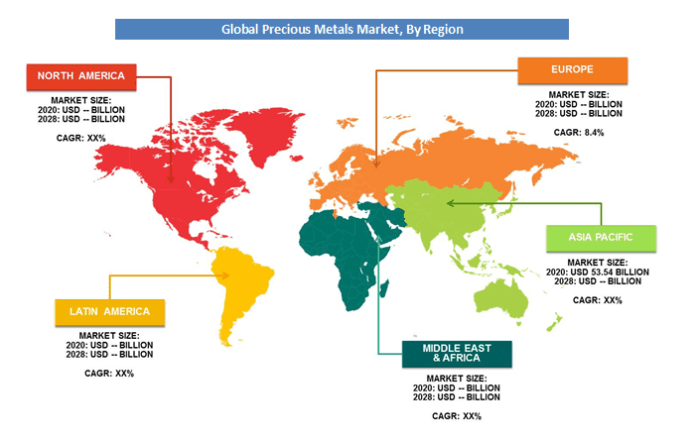
The precious metals market, encompassing gold, silver, platinum, and palladium, is significantly influenced by the interplay of supply and demand. Understanding these dynamics is crucial for navigating the price fluctuations and investment opportunities within this sector. This section will delve into the global supply chains, key production regions, mining methodologies, and the diverse factors driving demand for these valuable metals.
Global Supply of Precious Metals
Global supply of precious metals is geographically concentrated, with specific countries dominating production for each metal. Gold mining, for instance, is heavily concentrated in countries like China, Australia, and Russia, employing a variety of techniques ranging from large-scale open-pit mining to smaller-scale artisanal operations. Similarly, silver production is significant in Mexico, Peru, and China, often extracted as a byproduct of other mining activities.
Platinum and palladium production is largely dominated by South Africa and Russia, relying on sophisticated underground mining techniques given the geological context of these deposits. Mining techniques vary depending on the geological location and the specific metal being extracted, with considerations for environmental impact and operational efficiency playing increasingly important roles.
Factors Influencing Demand for Precious Metals
Demand for precious metals is multifaceted, driven by a complex interplay of industrial, investment, and jewelry applications. Industrial demand encompasses uses in electronics, automotive catalysts (particularly platinum and palladium), and various other specialized applications. The jewelry sector represents a substantial portion of demand, especially for gold and silver, influenced by cultural preferences, economic conditions, and fashion trends. Finally, investment demand, driven by safe-haven asset considerations and portfolio diversification strategies, significantly influences price movements, especially in the gold market.
Changes in economic outlook, geopolitical events, and investor sentiment all affect this aspect of demand.
Comparison of Supply and Demand Dynamics
The supply and demand dynamics of gold, silver, platinum, and palladium exhibit unique characteristics. Gold, often viewed as a safe-haven asset, sees relatively stable demand across various sectors, while supply is relatively inelastic in the short term due to the time lag in mine development. Silver, with its diverse industrial applications, shows more volatile demand fluctuations depending on technological advancements and economic cycles.
Platinum and palladium, heavily reliant on the automotive industry, experience demand directly linked to vehicle production levels and regulatory changes concerning emissions.
| Metal | Supply Trends (Past 5 Years) | Demand Trends (Past 5 Years) | Price Trends (Past 5 Years) |
|---|---|---|---|
| Gold | Relatively stable, with minor fluctuations based on mine production and recycling rates. | Steady demand from investment, jewelry, and technology sectors. Fluctuations based on macroeconomic conditions and investor sentiment. | Generally upward trend, with periods of volatility influenced by macroeconomic factors and geopolitical events. |
| Silver | Fluctuating supply, influenced by byproduct production from other metal mining. | Significant industrial demand, with fluctuations based on technological advancements and economic activity. Jewelry demand also influences price. | More volatile price movements than gold, reflecting the sensitivity of industrial demand to economic cycles. |
| Platinum | Concentrated supply from South Africa and Russia, susceptible to geopolitical risks and mining disruptions. | Heavily reliant on the automotive industry for catalytic converter applications. Subject to fluctuations based on vehicle production and emission regulations. | Price trends influenced by automotive demand and supply disruptions. |
| Palladium | Similar supply concentration to platinum, with potential for supply shortages due to limited production capacity. | Strong demand from the automotive industry, similar to platinum. Susceptible to fluctuations based on vehicle production and emission regulations. | Generally upward trend in recent years, reflecting strong demand and supply constraints. |
The precious metals market presents a captivating blend of historical significance, economic forces, and technological innovation. While price volatility remains a characteristic feature, understanding the underlying factors—from supply and demand dynamics to geopolitical events and technological advancements—allows for informed decision-making. Whether considering investment opportunities, assessing industrial applications, or simply comprehending global economic trends, a grasp of the precious metals market is increasingly essential in our interconnected world.
FAQ Overview
What are the risks associated with investing in precious metals?
Like any investment, precious metals carry risks. Price volatility is a significant factor, and market fluctuations can lead to losses. Storage costs for physical bullion and counterparty risk for ETFs are also considerations.
How can I diversify my precious metals portfolio?
Diversification is key. Consider investing in different precious metals (gold, silver, platinum, palladium) and through various instruments (physical bullion, ETFs, mining stocks) to spread risk.
Where can I buy physical precious metals?
Reputable dealers, online platforms, and some banks offer physical precious metals for purchase. It’s crucial to verify the authenticity and purity of the metals before buying.
What is the role of central banks in the precious metals market?
Central banks often hold significant reserves of gold, influencing market supply and demand. Their buying and selling activities can significantly impact prices.