Precious metals, historically a haven during economic uncertainty, offer a compelling diversification strategy for modern investors. Beyond their traditional role as a store of value, gold, silver, platinum, and palladium each present unique investment characteristics influenced by global economic forces, industrial demand, and investor sentiment. Understanding these dynamics is key to harnessing their potential within a well-rounded portfolio.
This exploration delves into the various facets of precious metal investment, examining the market forces that drive price fluctuations, the diverse investment vehicles available, and the crucial aspects of risk management. We’ll compare and contrast different precious metals, analyze effective portfolio allocation strategies, and equip you with the knowledge to navigate this complex yet rewarding asset class.
Introduction to Precious Metals as a Diversification Strategy
Precious metals have historically served as a haven for investors seeking to protect their portfolios from economic uncertainty and inflation. Their inherent value, independent of fiat currencies, has made them a compelling addition to diversified investment strategies for centuries. Understanding their role in portfolio construction is crucial for building a resilient and robust financial foundation.Precious metals offer several advantages as a diversification tool.
Their low correlation with traditional asset classes like stocks and bonds means they can act as a buffer during market downturns. When stocks fall, precious metals often rise, mitigating overall portfolio losses. Furthermore, their tangible nature provides a sense of security, particularly during times of economic or political instability. The inherent scarcity of these metals also contributes to their long-term value preservation.
Types of Precious Metals for Diversification
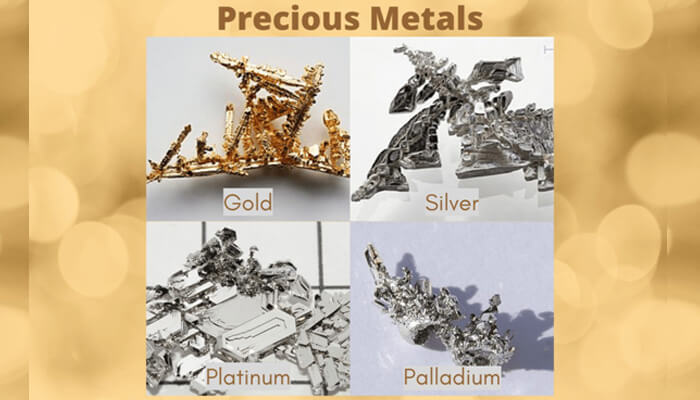
Gold, silver, platinum, and palladium are the most commonly used precious metals in investment portfolios. Each metal possesses unique characteristics that influence its suitability for specific investment goals. Gold, for instance, is often seen as a safe haven asset, holding its value well during periods of economic uncertainty. Silver, while more volatile than gold, offers potentially higher returns and significant industrial applications.
Platinum and palladium, primarily used in the automotive industry and other specialized applications, exhibit price fluctuations tied to industrial demand.
Comparison of Precious Metal Characteristics
| Metal | Price Volatility | Industrial Use | Investment Demand |
|---|---|---|---|
| Gold | Relatively Low | Jewelry, electronics, dentistry | High, considered a safe haven asset |
| Silver | Relatively High | Photography, electronics, solar panels | Moderate, industrial demand influences price |
| Platinum | Moderate to High | Automotive catalysts, jewelry | Moderate, industrial demand is a key driver |
| Palladium | High | Automotive catalysts, electronics | Moderate, largely driven by automotive industry demand |
Investment Vehicles for Precious Metals
Investing in precious metals offers a potential hedge against inflation and economic uncertainty, but the approach to this investment can vary significantly. Understanding the different investment vehicles available is crucial for building a successful strategy. This section Artikels the primary methods of precious metal investment, highlighting their respective advantages and disadvantages.
Physical Bullion
Investing directly in physical precious metals like gold and silver bars or coins provides tangible ownership. This method offers a sense of security and control, as you physically possess the asset. However, storage and insurance costs must be considered. Furthermore, the liquidity of physical bullion can be lower than other investment vehicles, as selling it requires finding a buyer and potentially negotiating a price.
The risk is primarily tied to price fluctuations and the potential for theft or loss. A successful strategy might involve buying during periods of market downturn and storing securely. An unsuccessful strategy could involve buying at market peaks and experiencing storage or security issues.
Exchange-Traded Funds (ETFs)
Precious metal ETFs offer a convenient and relatively low-cost way to gain exposure to precious metals without the need for physical storage. These funds track the price of a specific metal, allowing investors to buy and sell shares on a stock exchange. ETFs generally offer higher liquidity than physical bullion, but their returns are directly tied to the underlying metal’s price.
Risks include market volatility and the expense ratio charged by the ETF provider. A successful strategy might involve diversifying across different precious metal ETFs, potentially including those tracking platinum or palladium. An unsuccessful strategy might involve investing heavily in a single ETF during a period of significant price decline.
Mining Stocks
Investing in mining companies offers leveraged exposure to precious metal prices. A rise in metal prices can significantly boost the profits of mining companies, leading to higher stock prices. However, this leverage also magnifies the downside risk. Mining stocks are susceptible to factors beyond metal prices, such as operational challenges, regulatory changes, and geopolitical risks. A successful strategy would involve thorough due diligence on individual companies, focusing on their financial health, production capabilities, and management team.
An unsuccessful strategy could involve investing in poorly managed or financially unstable mining companies.
Comparison of Investment Vehicles
| Investment Vehicle | Liquidity | Risk Profile | Potential Returns |
|---|---|---|---|
| Physical Bullion | Low | Medium to High (price volatility, storage risks) | Medium to High (dependent on price movements) |
| ETFs | High | Medium (price volatility, expense ratios) | Medium (dependent on price movements) |
| Mining Stocks | Medium to High | High (price volatility, operational risks, geopolitical risks) | High (potential for significant gains, but also significant losses) |
Diversification Strategies Using Precious Metals

Precious metals, including gold, silver, platinum, and palladium, offer a unique opportunity to enhance portfolio diversification and mitigate risk. Their low correlation with traditional asset classes like stocks and bonds makes them valuable tools for managing overall portfolio volatility and potentially improving risk-adjusted returns. Strategic allocation of precious metals can significantly impact a portfolio’s resilience during periods of market uncertainty.
Portfolio Allocation Strategies Incorporating Precious Metals
Several strategies exist for integrating precious metals into a diversified investment portfolio. The optimal approach depends on individual risk tolerance, investment goals, and the overall market outlook. A conservative approach might involve a smaller allocation, while a more aggressive strategy could incorporate a larger percentage of precious metals, particularly during periods of heightened economic uncertainty or inflation. Consideration should also be given to the specific precious metal chosen, as each possesses unique characteristics and price sensitivities.
For example, gold is often seen as a safe haven asset, while silver has industrial applications that can influence its price.
Calculating Optimal Precious Metals Allocation
Determining the ideal allocation of precious metals requires a careful assessment of several factors. There’s no one-size-fits-all answer, and sophisticated portfolio optimization techniques may be employed. However, a common approach involves considering the investor’s risk profile, investment horizon, and the correlation between precious metals and other assets in the portfolio. For instance, an investor with a high risk tolerance and a long investment horizon might allocate a larger percentage to precious metals than an investor with a low risk tolerance and a short investment horizon.
Modern Portfolio Theory (MPT) and mean-variance optimization are frequently used to determine optimal allocations, aiming to maximize returns for a given level of risk. A simplified approach might involve allocating a percentage based on historical performance and projected inflation rates. For example, if inflation is expected to be high, a larger allocation to precious metals might be warranted.
Precious Metals as Inflation Hedges and Economic Uncertainty Protectors
Precious metals, particularly gold, have historically served as a hedge against inflation. During periods of rising inflation, the purchasing power of fiat currencies declines, while the value of precious metals tends to increase. This is because precious metals are tangible assets with inherent value, unlike fiat currencies which are subject to inflationary pressures. Similarly, during times of economic uncertainty or geopolitical instability, investors often flock to precious metals as a safe haven asset, driving up demand and prices.
This flight to safety is driven by the perception that precious metals offer stability and protection against potential losses in other asset classes. The 1970s, characterized by high inflation and economic turmoil, serve as a historical example of gold’s performance as an inflation hedge.
Hypothetical Portfolio Allocation
Consider a hypothetical portfolio with a total investment of $100,
000. Several allocation scenarios are possible
| Asset Class | Conservative Allocation (Low Risk) | Moderate Allocation (Medium Risk) | Aggressive Allocation (High Risk) |
|---|---|---|---|
| Stocks | 60% ($60,000) | 50% ($50,000) | 40% ($40,000) |
| Bonds | 30% ($30,000) | 30% ($30,000) | 20% ($20,000) |
| Precious Metals (Gold primarily) | 10% ($10,000) | 20% ($20,000) | 40% ($40,000) |
This table illustrates how the allocation to precious metals can vary depending on the investor’s risk tolerance. The conservative allocation prioritizes stability, while the aggressive allocation aims for higher potential returns but with increased risk. It’s crucial to remember that past performance is not indicative of future results, and these are merely hypothetical examples. Individual circumstances should always be considered when constructing a portfolio.
Risk Management in Precious Metal Investments
Investing in precious metals, while offering diversification benefits, presents inherent risks that investors must carefully consider and manage. Understanding these risks and implementing appropriate strategies is crucial for achieving your investment goals while minimizing potential losses. Failure to adequately address these risks can significantly impact returns and even lead to substantial financial setbacks.
Potential Risks in Precious Metal Investments
Precious metals, like gold and silver, are known for their price volatility. This inherent price fluctuation can lead to significant gains but equally significant losses depending on market conditions. Furthermore, physical storage of precious metals incurs costs, including insurance, security, and potential losses from theft or damage. When investing through intermediaries, counterparty risk—the risk that the entity you’re dealing with might default—becomes a relevant factor.
These risks are interconnected and need to be addressed holistically for effective risk management.
Strategies for Mitigating Precious Metal Investment Risks
Diversification is a cornerstone of risk management in any investment portfolio, including precious metals. Instead of focusing solely on one metal, consider diversifying across different precious metals (gold, silver, platinum, palladium) or even into related assets like mining stocks. Hedging strategies, such as using futures contracts or options, can help offset potential price declines. Finally, securing appropriate storage for physical precious metals is paramount.
This might involve using a reputable vault or employing robust security measures at home, depending on the investment size and personal circumstances.
Understanding Risk Tolerance
Before investing in precious metals, it’s essential to understand your own risk tolerance. This involves assessing your comfort level with potential price fluctuations and losses. Conservative investors may prefer a smaller allocation to precious metals, while those with higher risk tolerance might allocate a larger portion of their portfolio. A thorough understanding of your personal financial situation and investment goals is vital in determining your appropriate risk profile.
Examples of Risk Management Techniques
Experienced precious metal investors often employ sophisticated risk management techniques. For example, a seasoned investor might use a dollar-cost averaging strategy to mitigate the impact of price volatility by purchasing precious metals at regular intervals regardless of the price. Another common technique is to diversify across different forms of precious metal investments, such as physical bullion, exchange-traded funds (ETFs), and mining company stocks, thereby reducing the impact of a negative event affecting a single investment type.
Some investors might use options contracts to protect against price drops, essentially acting as insurance against market downturns. The selection of risk management strategies should always be tailored to individual circumstances and investment objectives.
Precious Metals
Precious metals, including gold, silver, platinum, and palladium, hold unique positions in the global economy, driven by their inherent properties and historical significance. Understanding their geological origins, industrial applications, and cultural impact provides a more comprehensive view of their investment potential and broader societal role.
Gold Formation and Extraction
Gold is formed primarily through geological processes deep within the Earth’s crust. Hydrothermal veins, formed when hot, mineral-rich fluids circulate through cracks in rocks, are a significant source. These fluids deposit gold along with other minerals. Another source is placer deposits, where gold particles, being dense and resistant to weathering, accumulate in riverbeds and other sedimentary environments after being eroded from their original sources.
Extraction involves various methods, depending on the type of deposit. Large-scale mining operations often utilize open-pit or underground methods, employing heavy machinery and explosives to extract ore. Processing the ore typically involves crushing, grinding, and then using techniques like cyanidation (a chemical process that dissolves gold) to separate the gold from other materials. Finally, the extracted gold is refined to achieve high purity.
Platinum and Palladium Industrial Applications
Platinum and palladium are crucial in various industrial applications, primarily due to their catalytic properties. Platinum is a key component in catalytic converters used in automobiles to reduce harmful emissions. It’s also used in the production of electronics, chemical processes, and jewelry. Palladium shares similar catalytic properties, finding widespread use in catalytic converters and also in electronics, dentistry, and hydrogen purification.
The automotive industry is a major consumer of both metals, with the increasing demand for cleaner vehicles driving up their prices. For example, the growing adoption of fuel-efficient vehicles, such as hybrids and electric cars, contributes to the rising demand for these precious metals in their catalytic converters.
Silver’s Historical and Cultural Significance
Silver’s historical and cultural significance is deeply rooted in its malleability, luster, and antimicrobial properties. Ancient civilizations prized silver for its beauty and used it in jewelry, coinage, and decorative arts. Its use in coinage established it as a store of value and a medium of exchange for centuries. The “silver standard,” where currencies were backed by silver, highlights its historical role in monetary systems.
Beyond its monetary role, silver’s antimicrobial properties have led to its continued use in medical applications, such as wound dressings and water purification. Its use in photography, owing to its light sensitivity, further showcases its versatility and historical influence across diverse fields. For instance, the iconic images from early photography are a testament to silver’s unique contribution to the art form.
Environmental Impact of Precious Metal Mining
Precious metal mining carries significant environmental consequences. Open-pit mining can lead to habitat destruction, water pollution from chemical runoff (like cyanide used in gold extraction), and soil erosion. Underground mining poses risks of mine collapses and groundwater contamination. The energy consumption associated with extraction and processing contributes to greenhouse gas emissions. Furthermore, the disposal of mining waste, often containing heavy metals, poses long-term environmental hazards.
Sustainable mining practices, including responsible water management, efficient energy use, and proper waste disposal, are crucial to mitigate the negative impacts. However, the industry continues to grapple with balancing economic interests with environmental protection, a complex challenge demanding ongoing innovation and stricter regulations.
Successfully integrating precious metals into your investment strategy requires a nuanced understanding of market dynamics, risk tolerance, and available investment vehicles. By carefully considering the factors discussed—from macroeconomic influences to the specific characteristics of each metal and the associated risks—investors can leverage precious metals to enhance portfolio resilience and potentially achieve superior long-term returns. Remember that diligent research and a well-defined investment plan are paramount to success in this domain.
FAQ Corner
What are the tax implications of investing in precious metals?
Tax implications vary depending on your location and the specific investment vehicle used. Capital gains taxes may apply upon sale, and it’s crucial to consult a tax professional for personalized advice.
How do I store physical precious metals safely?
Secure storage options range from home safes to reputable private vaults. Consider factors like insurance, accessibility, and security measures when choosing a storage solution. The level of security required depends on the value of your holdings.
Are precious metals a good hedge against inflation?
Historically, precious metals have often served as a hedge against inflation, as their value tends to rise when the purchasing power of fiat currencies declines. However, this isn’t guaranteed, and their performance can vary.
What are the environmental considerations of precious metal mining?
Precious metal mining can have significant environmental impacts, including habitat destruction, water pollution, and greenhouse gas emissions. Responsible sourcing and investment in companies with strong environmental, social, and governance (ESG) practices are important considerations.