Silver Investment Tips A Comprehensive Guide

Invest bankrate

Navigating the world of precious metals can feel daunting, but understanding silver’s investment potential unlocks opportunities for growth and diversification. This guide delves into the intricacies of silver investment, exploring its historical performance, various investment vehicles, and strategic approaches to maximize returns while mitigating risk. We’ll examine market trends, economic indicators, and geopolitical factors influencing silver prices, providing you with the knowledge to make informed decisions.

From analyzing silver’s price fluctuations and comparing it to other precious metals like gold, to crafting a diversified portfolio and understanding the tax implications, this guide offers a holistic perspective. We’ll cover practical steps for purchasing physical silver, securing your investments, and tracking your portfolio’s performance. By the end, you’ll have a solid foundation for confidently incorporating silver into your investment strategy.

Understanding Silver as an Investment

Investing bullion

Silver, a lustrous precious metal, offers investors a unique opportunity to diversify their portfolios and potentially benefit from market fluctuations. Its price is influenced by a complex interplay of factors, making it a dynamic and engaging asset class. Understanding these factors and the historical performance of silver is crucial for making informed investment decisions.

Factors Influencing Silver Prices

Several interconnected factors influence silver’s price. Industrial demand plays a significant role, as silver is a crucial component in electronics, solar panels, and various industrial applications. Changes in global manufacturing activity directly impact silver’s demand and, consequently, its price. Investment demand, driven by factors such as inflation concerns and safe-haven sentiment, also significantly affects silver prices. The price of gold, often viewed as a correlated asset, also exerts influence, as investors may shift between gold and silver based on relative valuations and perceived risk.

Government policies, currency fluctuations, and geopolitical events can also create volatility in the silver market. Finally, the overall supply and availability of silver, impacted by mining production and recycling rates, influence its market price. For example, a decrease in silver mining output coupled with increased demand could lead to price increases.

Historical Performance of Silver Compared to Other Assets

Silver’s historical performance has been varied, reflecting its sensitivity to both industrial and investment demand. Over the long term, silver has generally outperformed inflation, offering a hedge against currency devaluation. However, its price volatility can be higher than that of gold, presenting both opportunities and risks for investors. Compared to stocks, silver’s performance has often been inversely correlated, meaning it can act as a portfolio diversifier.

During periods of economic uncertainty, silver has sometimes shown a stronger performance than traditional equity markets. Detailed comparisons require examining specific timeframes and asset classes, considering factors like inflation adjustments and risk-adjusted returns. For instance, comparing silver’s performance against a broad market index like the S&P 500 over a 20-year period would reveal a nuanced picture of its historical return profile.

Comparison of Silver and Gold Investments

Both silver and gold are precious metals considered safe-haven assets, but they have distinct characteristics. Gold generally has higher liquidity and a more established market, making it a more conservative choice. Silver, while also a safe-haven asset, tends to exhibit greater price volatility than gold, offering potentially higher returns but also greater risk. Silver’s industrial demand adds another layer of complexity to its price movements, making it more sensitive to economic cycles.

The price ratio between silver and gold fluctuates, often deviating significantly from its historical average. This price ratio can provide insights into relative valuations and potential investment opportunities. For example, periods when the silver-to-gold ratio is unusually low may indicate a potentially undervalued silver market.

Types of Silver Investments

Investors have several options for investing in silver. Bullion, in the form of bars and ingots, offers direct ownership of physical silver. Silver coins, such as American Silver Eagles or Canadian Silver Maple Leafs, combine investment value with numismatic appeal. Exchange-traded funds (ETFs) provide exposure to silver without the need for physical storage, offering greater liquidity and ease of trading.

Finally, mining stocks represent an indirect investment in silver, offering leveraged exposure to silver prices through the performance of silver mining companies. Each investment type carries its own set of risks and rewards, requiring careful consideration of individual investment goals and risk tolerance. For instance, physical silver requires secure storage, while ETFs are subject to market risks.

Silver Investment Strategies

Investing in silver requires a well-defined strategy to maximize potential returns while mitigating risks. A successful approach considers diversification, timing, and a clear understanding of the various investment vehicles available. This section Artikels key strategies and considerations for navigating the silver market.

Diversifying a Portfolio with Silver

Including silver in a diversified investment portfolio can offer a hedge against inflation and potentially enhance overall returns. Silver’s price often moves independently of traditional asset classes like stocks and bonds, providing a degree of insulation during market downturns. A suitable allocation depends on individual risk tolerance and investment goals, but a common suggestion is to allocate a small percentage (e.g., 5-10%) of your portfolio to precious metals, with silver being a component of that allocation.

This diversification can help reduce the overall volatility of your investment portfolio. For instance, if your portfolio is heavily weighted in equities and experiences a significant downturn, the relatively stable performance of silver could help cushion the losses.

Timing Silver Purchases

Two primary strategies exist for purchasing silver: dollar-cost averaging (DCA) and lump-sum investment. Dollar-cost averaging involves investing a fixed amount of money at regular intervals, regardless of price fluctuations. This strategy mitigates the risk of investing a large sum at a market peak. In contrast, a lump-sum investment entails committing a significant amount of capital at a single point in time, often based on a prediction of future price appreciation.

The success of a lump-sum approach relies heavily on accurate market timing, which is inherently difficult to achieve. Both strategies carry their own inherent risks and rewards, and the optimal approach depends on individual circumstances and market outlook. For example, a young investor with a long time horizon might prefer DCA due to its lower risk, while an investor expecting a short-term price surge might opt for a lump-sum investment.

Risks and Rewards of Silver Investment Strategies

Various silver investment strategies present unique risk-reward profiles. Physical silver, for example, carries storage and security risks but offers tangible ownership. Silver exchange-traded funds (ETFs) provide liquidity and convenience but expose investors to counterparty risk. Silver futures contracts offer leverage and the potential for high returns, but also carry substantial risk of significant losses. The potential for price volatility is a common risk across all silver investment strategies.

However, the reward lies in the potential for capital appreciation, inflation hedging, and diversification benefits. For instance, during periods of economic uncertainty, silver prices often rise as investors seek safe haven assets.

Purchasing Physical Silver: A Step-by-Step Guide

Investing in physical silver involves several steps. First, research reputable dealers with transparent pricing and positive customer reviews. Next, choose the desired form of silver (bars, coins, etc.), considering factors like purity and size. Then, place your order and ensure secure payment processing. Upon receiving your silver, verify its authenticity and take steps to secure its storage.

Storage Option Cost Security Measures Considerations
Home Safe Variable, depending on safe size and features Physical barrier, potentially with fire resistance Suitable for smaller quantities; risk of theft or damage
Bank Safe Deposit Box Annual rental fee Bank security systems, surveillance Convenient, but access is limited; insurance may be needed
Professional Storage Facility Variable, based on quantity and storage type High-security vaults, insurance, surveillance Most secure option, but most expensive
Collectible Storage (for numismatic value) Variable, depending on the quality of the storage Environmentally controlled conditions, proper handling, specialized containers Primarily for rare or high-value coins; maintains numismatic value.

Analyzing Silver Market Trends

Understanding the fluctuations in silver prices requires analyzing various interconnected factors. These factors range from macroeconomic indicators to geopolitical events and the ever-changing landscape of industrial demand. A comprehensive analysis allows investors to make more informed decisions and potentially mitigate risk.

Key Economic Indicators Affecting Silver Prices

Several key economic indicators significantly influence silver prices. Inflation, for example, often drives investors towards precious metals like silver as a hedge against inflation’s eroding purchasing power. Interest rates also play a crucial role; higher interest rates can make holding non-interest-bearing assets like silver less attractive, potentially leading to lower prices. The overall strength of the US dollar is another factor; a stronger dollar typically makes dollar-denominated commodities like silver more expensive for international buyers, potentially suppressing demand and prices.

Finally, economic growth projections impact industrial demand for silver, which is a crucial component of its price. Stronger economic forecasts generally lead to increased industrial demand and higher silver prices.

Industrial Demand’s Impact on Silver Prices

Industrial demand constitutes a substantial portion of overall silver consumption. Silver’s unique properties – its excellent conductivity, malleability, and antimicrobial qualities – make it indispensable in various industries. The electronics industry, for example, relies heavily on silver in the production of solar panels, printed circuit boards, and other components. The photographic industry, while smaller than in the past, still utilizes silver.

Fluctuations in these sectors directly impact silver demand. A surge in demand from the renewable energy sector, for instance, driven by the global shift towards sustainable energy sources, can significantly boost silver prices. Conversely, a slowdown in electronics manufacturing could lead to decreased demand and price drops.

Geopolitical Events Influencing the Silver Market

Geopolitical instability and uncertainty can significantly impact the silver market. Events such as international conflicts, trade wars, or political upheavals in major silver-producing countries can create volatility and price fluctuations. For example, political instability in a major silver-producing nation could disrupt supply chains, leading to price increases. Similarly, sanctions imposed on a country that is a significant silver producer could affect global supply and prices.

Investor sentiment also plays a crucial role; geopolitical uncertainty often drives investors towards safe-haven assets like silver, leading to increased demand and higher prices.

Timeline of Significant Events in Silver Market History

Analyzing past events helps understand the dynamics of the silver market. For example, the Hunt brothers’ attempt to corner the silver market in the early 1980s resulted in a dramatic price surge followed by a sharp crash. This illustrates the impact of speculative activity on silver prices. More recently, the COVID-19 pandemic initially caused a price drop due to economic uncertainty, but subsequently saw a price increase due to increased safe-haven demand and disruptions in supply chains.

The long-term trend of increasing industrial demand, especially from the electronics and renewable energy sectors, has also contributed to silver’s price appreciation over the past decades. Analyzing these historical events provides valuable insights into potential future market movements.

Managing Silver Investments

Invest bankrate

Successfully navigating the silver market requires not only shrewd investment strategies but also a clear understanding of how to manage your holdings effectively. This includes knowing when and how to sell, understanding the tax implications, securing your physical silver, and consistently tracking your portfolio’s performance. Effective management minimizes risk and maximizes potential returns.

Selling Silver Investments

Selling silver, whether physical bullion or paper investments like ETFs or futures contracts, involves different processes. For physical silver, you’ll likely need to find a reputable buyer, such as a coin dealer, precious metals refiner, or online marketplace specializing in precious metals. The price you receive will depend on the current market price, the purity of the silver, and the condition of the item.

Selling paper investments is typically simpler, involving placing a sell order through your brokerage account. It’s crucial to compare offers from multiple buyers for physical silver to secure the best price. For paper investments, understanding the trading fees and commissions associated with your brokerage account is essential.

Tax Implications of Silver Investments

The tax implications of silver investments vary depending on your jurisdiction and the type of investment. Capital gains taxes apply to profits made from selling silver. The tax rate depends on how long you held the silver. Short-term capital gains (assets held for one year or less) are taxed at your ordinary income tax rate, while long-term capital gains (assets held for more than one year) are taxed at lower rates.

For example, in the US, long-term capital gains tax rates range from 0% to 20%, depending on your income level. Consult a tax professional for personalized advice, as tax laws are complex and can change. Accurate record-keeping of all transactions is crucial for tax purposes.

Securing Physical Silver Investments

Securing physical silver investments requires careful consideration. Safe storage is paramount to protect against theft or loss. Options include home safes, safety deposit boxes at banks, or specialized storage facilities designed for precious metals. Home safes offer convenience but are vulnerable to burglary. Safety deposit boxes provide security but may have limitations on storage capacity and accessibility.

Specialized storage facilities offer high security but typically involve fees. The best option depends on the quantity and value of your silver holdings and your personal risk tolerance. Insurance is also highly recommended to cover potential losses due to theft, fire, or other unforeseen circumstances.

Tracking Silver Investment Portfolio Performance

Tracking your silver investment portfolio’s performance is vital for informed decision-making. Regularly monitor the market price of silver and the value of your holdings. This can be done using online resources that provide real-time silver prices and portfolio tracking tools. Spreadsheet software can also be used to manually track your investments, including purchase dates, prices, and selling prices.

By comparing the current market value of your silver to your initial investment, you can calculate your overall return on investment (ROI). This allows you to assess the effectiveness of your investment strategy and make adjustments as needed. Consider using a weighted average cost to calculate your ROI if you have purchased silver at different prices over time.

For example, if you bought 10 ounces at $20 and 10 ounces at $25, your weighted average cost is $22.50 per ounce.

Investing in silver presents a unique opportunity to diversify your portfolio and potentially capitalize on market fluctuations. While risk is inherent in any investment, a thorough understanding of market trends, investment strategies, and risk management techniques can significantly enhance your chances of success. Remember to conduct thorough research, consider your risk tolerance, and potentially consult a financial advisor before making any investment decisions.

The information provided here serves as a valuable resource, but individual circumstances require personalized consideration.

Question & Answer Hub

What are the transaction costs associated with buying and selling silver?

Transaction costs vary depending on the investment vehicle (e.g., bullion, coins, ETFs). Expect premiums on physical silver, brokerage fees for ETFs, and potential commissions for buying and selling through a dealer.

How can I protect myself against silver price manipulation?

Diversification is key. Don’t put all your eggs in one basket. Spread your investments across various asset classes and consider different silver investment vehicles to reduce the impact of potential price manipulation.

What is the long-term outlook for silver prices?

Predicting long-term prices is inherently speculative. Factors like industrial demand, inflation, and geopolitical events heavily influence silver’s price. Thorough research and understanding of these factors are crucial.

Is silver a good hedge against inflation?

Historically, silver has shown some correlation with inflation, acting as a potential hedge. However, its performance can vary, and other factors influence its price. It’s not a guaranteed inflation hedge.

Gold vs Silver Investment A Comparative Guide

Gold silver vs investment better investing

The allure of precious metals as a hedge against inflation and economic uncertainty has captivated investors for centuries. Gold, the traditional safe haven, and silver, with its industrial applications, offer distinct investment opportunities. This guide delves into the nuances of each, comparing their risk profiles, historical performance, and potential for diversification within a well-rounded portfolio. Understanding the interplay of global economic factors and market dynamics is crucial for navigating this fascinating asset class.

From the historical significance of gold as a store of value to the industrial demand driving silver prices, we will explore the factors that influence their respective market values. We’ll examine various investment vehicles, including physical bullion, exchange-traded funds (ETFs), and mining stocks, weighing the pros and cons of each approach. Ultimately, the goal is to empower you with the knowledge to make informed decisions about incorporating gold and silver into your investment strategy.

Silver Investment Characteristics

Silver, unlike gold, boasts a significant industrial demand alongside its role as a precious metal. This dual nature significantly influences its price dynamics and investment profile, presenting both opportunities and risks compared to gold. Understanding these characteristics is crucial for any investor considering adding silver to their portfolio.

Industrial Uses of Silver and Their Impact on Price

Silver’s industrial applications are extensive, ranging from electronics and photography to medicine and catalysis. Approximately half of global silver production is consumed by industry. Fluctuations in these sectors directly affect silver demand and, consequently, its price. For example, a surge in demand for solar panels, which utilize significant quantities of silver, can lead to a price increase. Conversely, a downturn in the electronics industry could depress silver prices.

The interplay between industrial demand and investment demand creates a complex pricing mechanism distinct from that of gold, which is primarily driven by investment and safe-haven considerations.

Price Volatility Comparison: Gold vs. Silver

Silver exhibits considerably higher price volatility than gold. This is largely due to its greater sensitivity to industrial demand cycles and economic fluctuations. While gold often acts as a safe haven during times of economic uncertainty, silver’s price can be more heavily influenced by short-term market forces. For example, the 2008 financial crisis saw a sharp decline in both gold and silver prices, but silver experienced a more dramatic and volatile drop due to the simultaneous downturn in industrial sectors.

This increased volatility presents both greater risk and potentially greater reward for investors.

Factors Influencing Silver Prices

Several key factors specifically influence silver prices. Industrial demand, as previously discussed, is paramount. Technological advancements also play a crucial role. The development of new technologies that utilize silver, such as improved solar panel efficiency or advancements in medical applications, can significantly boost demand. Furthermore, macroeconomic factors, such as inflation, currency fluctuations, and overall economic growth, impact silver prices, though often less directly than industrial demand.

Geopolitical events and supply disruptions from mining operations can also cause price swings.

Investment Options for Silver

Investors can access the silver market through various avenues. Physical silver, in the form of bars, coins, or bullion, offers direct ownership and tangible assets. Silver exchange-traded funds (ETFs) provide a convenient and cost-effective way to gain exposure to silver without the complexities of physical storage. Finally, investing in silver mining stocks offers leveraged exposure to silver prices, though it also carries higher risk due to the inherent volatility of the mining industry.

Each option presents a different risk-reward profile, requiring careful consideration of individual investment goals and risk tolerance.

Silver Investment Options

Investment Type Pros Cons Risk Level
Physical Silver (Bullion, Coins) Tangible asset, direct ownership Storage costs, security concerns, illiquidity Medium
Silver ETFs Diversification, liquidity, low cost Exposure to management fees, tracking error Medium-Low
Silver Mining Stocks High potential returns, leveraged exposure High volatility, operational risks, company-specific risks High

Precious Metals Market Dynamics

Coins perfecte goudprijs geeft

The precious metals market, encompassing gold and silver, is a complex ecosystem influenced by a multitude of interacting factors. Understanding these dynamics is crucial for investors seeking to navigate this market effectively. Prices are not solely determined by simple supply and demand; geopolitical events, economic conditions, and investor sentiment all play significant roles.The interplay of supply, demand, and various market participants creates a dynamic environment where prices fluctuate constantly.

Analyzing these interactions provides valuable insights into potential investment strategies.

Key Players in the Precious Metals Market

Central banks, mining companies, and investors are the primary players shaping the precious metals market. Central banks, like the Federal Reserve (US) or the European Central Bank, often hold significant gold reserves, influencing supply and demand through their buying and selling activities. Their actions can significantly impact market sentiment and prices. Mining companies, responsible for extracting and processing the metals, influence supply through their production levels and operational efficiencies.

Large-scale mining operations can impact the overall market supply considerably. Finally, investors, ranging from individual retail investors to large institutional funds, drive demand through purchases for investment, industrial use, or jewelry. Their collective actions significantly influence price fluctuations.

Supply and Demand’s Influence on Precious Metal Prices

The fundamental principle of supply and demand governs precious metal prices. When demand exceeds supply, prices tend to rise. Conversely, when supply surpasses demand, prices typically fall. However, this relationship is rarely straightforward. Speculative trading, investor sentiment, and macroeconomic factors can significantly distort the simple supply-demand equation.

For instance, during periods of economic uncertainty, investors often flock to gold as a safe haven asset, increasing demand and driving prices upward regardless of underlying supply levels. Similarly, advancements in mining technology can increase supply, potentially putting downward pressure on prices even if demand remains relatively stable.

Government Policies and Regulations’ Impact

Government policies and regulations significantly influence the precious metals market. Import and export restrictions, taxation policies, and environmental regulations can all impact supply and the cost of production. For example, stricter environmental regulations on mining operations could increase production costs, potentially leading to reduced supply and higher prices. Similarly, changes in import duties or taxes on precious metals can directly affect market accessibility and price.

Furthermore, government interventions, such as strategic reserves sales or purchases, can create significant price volatility.

Major Factors Influencing Precious Metal Market Trends

The following factors significantly influence precious metal market trends:

  • Economic Growth and Inflation: Strong economic growth can reduce demand for safe-haven assets like gold, while inflation can drive demand as investors seek to protect their purchasing power.
  • Interest Rates: Higher interest rates can make holding non-interest-bearing assets like gold less attractive, potentially reducing demand.
  • Geopolitical Events: Global instability and uncertainty often increase demand for gold as a safe haven, leading to price increases.
  • Currency Fluctuations: Changes in exchange rates can affect the price of precious metals denominated in different currencies.
  • Industrial Demand: Industrial applications of gold and silver (electronics, medicine, etc.) influence demand levels.
  • Investment Sentiment: Investor confidence and speculative trading significantly impact price volatility.
  • Technological Advancements in Mining: Improved mining techniques can increase supply, potentially affecting prices.
  • Government Regulations: As discussed above, governmental policies and regulations have a substantial impact.

Investing Strategies for Precious Metals

Gold silver vs investment better investing

Investing in gold and silver requires a strategic approach, considering both the unique characteristics of these assets and your overall financial goals. Different investment strategies can be employed, each with its own risk profile and potential return. Understanding these strategies and implementing appropriate risk management techniques is crucial for successful precious metals investing.

Value Investing in Precious Metals

Value investing in precious metals focuses on identifying undervalued assets based on fundamental analysis. This involves assessing factors such as supply and demand dynamics, geopolitical events, and inflation expectations to determine whether the current market price accurately reflects the intrinsic value of the metal. A value investor might look for periods where the price of gold or silver has temporarily fallen below its perceived long-term value, representing a buying opportunity.

This approach often involves a longer-term investment horizon, with the expectation that the market will eventually recognize the asset’s true worth. For example, a value investor might buy gold during periods of economic uncertainty when the price dips, anticipating a rise in value as investors seek a safe haven asset.

Momentum Investing in Precious Metals

Momentum investing, conversely, capitalizes on price trends. This strategy focuses on identifying assets that are experiencing upward price momentum and riding that wave. Technical analysis, which involves studying price charts and indicators, is often employed to identify trends and potential entry and exit points. Momentum investors are less concerned with intrinsic value and more focused on capitalizing on short-term price fluctuations.

A successful momentum strategy requires careful monitoring of market trends and the ability to recognize when a trend is reversing. For instance, if silver prices are rapidly increasing due to industrial demand, a momentum investor might buy, expecting the upward trend to continue for a short period before selling to lock in profits.

Risk Management in Precious Metals Investing

Risk management is paramount in precious metals investing. The prices of gold and silver can be volatile, influenced by a multitude of factors including currency fluctuations, economic conditions, and investor sentiment. Diversification is a key risk management strategy, spreading investments across different asset classes to reduce the impact of losses in any single investment. Setting stop-loss orders to limit potential losses on individual trades is another crucial risk management technique.

Furthermore, understanding your own risk tolerance and investment timeline is essential in determining the appropriate investment strategy and portfolio allocation. A conservative investor might allocate a smaller percentage of their portfolio to precious metals, while a more aggressive investor might allocate a larger percentage.

Portfolio Allocation Strategies with Precious Metals

Portfolio allocation strategies incorporating precious metals vary widely depending on individual risk tolerance and investment goals. A common approach is to allocate a portion of the portfolio (typically 5-10%, but this can vary significantly) to precious metals as a hedge against inflation and economic uncertainty. This allocation can be further diversified by holding both gold and silver, as they tend to exhibit different price correlations.

For example, a balanced portfolio might include 60% stocks, 30% bonds, and 10% precious metals (split equally between gold and silver). Another strategy might involve a higher allocation to precious metals during periods of heightened economic instability.

Developing a Diversified Investment Portfolio

Developing a diversified portfolio that includes gold and silver involves careful consideration of several factors. This includes assessing your risk tolerance, investment timeframe, and financial goals. After determining these factors, you can then allocate assets across various asset classes, such as stocks, bonds, real estate, and precious metals. The specific allocation will depend on your individual circumstances.

For example, a young investor with a long time horizon might allocate a larger portion of their portfolio to stocks, while an investor nearing retirement might allocate a larger portion to bonds and precious metals for stability and capital preservation. Regularly reviewing and rebalancing your portfolio to maintain your desired asset allocation is a crucial aspect of long-term investment success.

Visual Representation of Gold and Silver Price Trends

A visual representation of gold and silver price trends over time reveals a fascinating interplay of economic factors, geopolitical events, and investor sentiment. Understanding these historical movements is crucial for informed investment decisions. While both metals generally move in tandem, their price ratios and individual responses to specific events can differ significantly.Analyzing historical price data reveals periods of dramatic price swings, alongside extended periods of relative stability.

These fluctuations reflect the complex interplay of supply and demand, influenced by factors such as inflation, industrial demand, currency fluctuations, and investor speculation. A graph depicting gold and silver prices over the past century would illustrate these patterns vividly, showcasing both their shared trends and their distinct characteristics.

Gold and Silver Price Correlation and Divergence

A scatter plot illustrating the correlation between gold and silver prices over a significant period, say the last 20 years, would show a generally positive correlation. This means that often, when the price of gold rises, the price of silver also tends to rise, and vice versa. However, the plot would also reveal periods of divergence, where the price of one metal outperforms the other.

For instance, during periods of strong industrial demand for silver, its price might appreciate more rapidly than gold’s. Conversely, during times of significant geopolitical uncertainty, gold might see a stronger price increase due to its status as a safe-haven asset. The degree of correlation fluctuates over time, reflecting changing market conditions and investor preferences. A line of best fit on the scatter plot would visually represent the average correlation, while individual data points would highlight instances of divergence.

Significant Historical Events and Their Impact

A time-series chart displaying both gold and silver prices alongside key historical events would highlight the impact of major economic and geopolitical shifts. For example, the oil crises of the 1970s led to significant inflation and a surge in both gold and silver prices as investors sought hedges against inflation. The collapse of the Bretton Woods system in 1971, which ended the convertibility of the US dollar to gold, also significantly impacted gold’s price, leading to a substantial increase.

More recent events, such as the 2008 financial crisis and the COVID-19 pandemic, also triggered significant price movements in both metals, reflecting increased investor demand for safe-haven assets. The chart would visually demonstrate the timing and magnitude of price responses to these events, providing valuable insights into market behavior. Specific annotations on the chart could pinpoint these events and their corresponding price movements.

Long-Term Trends and Price Cycles

A long-term chart, spanning several decades, would reveal longer-term trends and potential price cycles. While predicting future prices is inherently speculative, analyzing past trends can offer valuable insights. For example, periods of sustained economic growth might correlate with periods of relatively lower prices, while periods of economic uncertainty or inflation could lead to higher prices. The chart would show the overall upward trend of both metals over the long term, potentially punctuated by periods of consolidation or correction.

Identifying potential cyclical patterns could inform investment strategies, although it’s crucial to remember that past performance is not indicative of future results. The visual representation of these long-term trends allows for a better understanding of the historical context of current price levels.

Risks Associated with Precious Metals Investment

Investing in gold and silver, while potentially lucrative, carries inherent risks that investors must carefully consider before allocating capital. Understanding these risks and implementing appropriate mitigation strategies is crucial for successful precious metals portfolio management. Failure to do so can lead to significant losses.Price volatility is a primary concern. The prices of gold and silver fluctuate significantly based on various macroeconomic factors, geopolitical events, and market sentiment.

These fluctuations can lead to substantial gains or losses in a relatively short period. For example, the price of silver experienced sharp increases during periods of industrial demand growth, only to subsequently decline as those demands softened.

Price Volatility and Market Sentiment

The price movements of gold and silver are often influenced by investor sentiment. During times of economic uncertainty or geopolitical instability, investors tend to flock towards these safe-haven assets, driving prices upward. Conversely, during periods of economic growth and stability, investors may shift their focus to other asset classes, potentially causing prices to decline. This dynamic makes timing the market extremely challenging, and it’s important to remember that even the most seasoned investors struggle to consistently predict short-term price movements.

Consider, for instance, the sharp price drop in gold experienced in 2013 following a period of significant gains. This illustrates the unpredictable nature of the market and the potential for substantial losses.

Storage Costs and Security Risks

Storing physical gold and silver involves costs associated with secure storage facilities, insurance, and transportation. These costs can significantly impact the overall return on investment, especially for larger holdings. Furthermore, physical storage presents security risks, including theft or loss. Investors need to carefully weigh the costs and risks associated with physical storage against the potential benefits of owning the physical metal.

For example, the cost of renting a secure safety deposit box can be a considerable expense over the long term.

Counterparty Risk

Investing in gold and silver through derivatives, exchange-traded funds (ETFs), or other financial instruments introduces counterparty risk. This is the risk that the entity you are dealing with (e.g., a broker, bank, or ETF provider) may default on its obligations. This risk can be particularly relevant during times of financial stress. While the risk is generally low with reputable institutions, it is still a factor to consider.

The failure of a major financial institution could have a significant impact on the value of gold and silver holdings invested through that institution.

Liquidity Risk

While gold and silver are generally considered liquid assets, the ease of converting them into cash can vary depending on the form of investment. Physical bullion may require more time and effort to sell compared to ETFs or futures contracts. Large quantities of physical gold or silver might also take longer to liquidate without significantly impacting the market price.

Therefore, investors should consider their liquidity needs when making investment decisions. For example, selling a large quantity of physical gold during a market downturn could result in a lower price than if the sale was spread out over time.

Ultimately, the choice between gold and silver, or a combination of both, depends on individual risk tolerance and investment goals. While gold often serves as a stable, long-term store of value, silver’s price is more susceptible to fluctuations driven by industrial demand. Diversification, careful risk management, and a thorough understanding of market trends are key to successful precious metals investing.

By considering the factors discussed here, investors can approach this asset class with greater confidence and potentially enhance their overall portfolio performance.

Questions and Answers

What are the storage costs associated with physical gold and silver?

Storage costs vary depending on the amount of metal, security measures, and storage location. Home storage is inexpensive but carries risks; professional storage is more secure but incurs fees.

How are gold and silver prices affected by currency fluctuations?

Precious metal prices are often inversely correlated with the value of the US dollar. A weaker dollar typically boosts demand for gold and silver, driving prices higher, and vice-versa.

What are the tax implications of investing in gold and silver?

Tax implications vary by jurisdiction. Capital gains taxes generally apply to profits from the sale of precious metals. Consult a tax professional for specific guidance.

Is it better to buy gold bars or gold coins?

Both offer similar investment potential. Coins often command a slight premium due to numismatic value, while bars are generally more cost-effective for larger investments.

Precious Metals Investment A Comprehensive Guide

Precious metals investments has investment other

Precious metals investment offers a unique avenue for diversifying portfolios and hedging against economic uncertainty. For centuries, gold, silver, platinum, and palladium have served as stores of value, their intrinsic worth fluctuating with global economic tides. Understanding the dynamics of precious metal markets requires a nuanced approach, considering factors ranging from inflation and currency fluctuations to geopolitical events and technological advancements.

This guide delves into the intricacies of precious metals investment, providing a comprehensive overview for both seasoned investors and newcomers alike.

From exploring the various investment vehicles available – physical bullion, ETFs, mining stocks, and futures contracts – to analyzing the influence of macroeconomic factors and employing effective risk management strategies, we will navigate the complexities of this dynamic market. We will also examine the historical context of precious metals, their unique properties, and their role in a well-diversified investment portfolio.

The goal is to equip you with the knowledge needed to make informed decisions in the world of precious metals investment.

The Future of Precious Metals Investment

Precious metals silver platinum

Predicting the future of any market is inherently challenging, but by analyzing current trends and technological advancements, we can form a reasonable outlook for precious metals investments. Several factors, from geopolitical instability to technological innovation, will significantly shape the market in the coming years. Understanding these factors is crucial for investors seeking to navigate this dynamic landscape.The long-term outlook for precious metal prices is complex and depends on a multitude of interconnected factors.

While historical data provides valuable insights, future price movements will be influenced by macroeconomic conditions, central bank policies, and investor sentiment, making precise predictions impossible. However, we can examine key drivers to anticipate potential price trajectories.

Long-Term Price Outlook for Precious Metals

Several factors contribute to the long-term price outlook for precious metals. Demand from both industrial and investment sectors plays a significant role. For instance, gold’s use in electronics and jewelry continues to drive demand, while platinum and palladium are essential in automotive catalytic converters. However, the increasing adoption of electric vehicles could impact palladium and platinum demand in the long run.

Simultaneously, geopolitical uncertainty and inflation often drive investors towards safe-haven assets like gold, increasing demand and potentially pushing prices higher. Central bank policies, particularly regarding interest rates and monetary easing, also significantly impact precious metal prices. For example, periods of quantitative easing often correlate with increased gold prices, as investors seek assets that hedge against inflation.

Finally, the supply of precious metals, often influenced by mining output and recycling rates, also affects prices. Unexpected disruptions in mining operations, for example, could lead to price increases. Overall, a balanced assessment of these intertwined factors is necessary for informed investment decisions.

Emerging Technologies and Their Impact

Technological advancements are reshaping the precious metals industry, presenting both opportunities and challenges. For example, advancements in 3D printing technology are creating new applications for precious metals, expanding their use beyond traditional sectors. This could increase demand and positively impact prices. Conversely, the development of more efficient and cost-effective mining techniques could potentially increase supply, exerting downward pressure on prices.

Furthermore, advancements in recycling technologies are enhancing the recovery of precious metals from e-waste and other sources, increasing the supply of recyclable materials and potentially affecting market dynamics. The development of alternative materials for specific applications, such as the transition to electric vehicles, could also have a significant impact on the demand for certain precious metals, like palladium and platinum.

Therefore, staying informed about technological advancements and their potential implications for the industry is critical for investors.

About Precious Metals

Precious metals investments has investment other

Precious metals, a category encompassing gold, silver, platinum, and palladium, hold a unique position in the global economy and human history. Their inherent properties, coupled with their relative scarcity, have driven their enduring value and multifaceted applications, spanning from investment vehicles to industrial components. Understanding their physical characteristics, geological origins, and cultural significance is crucial to grasping their ongoing relevance.Precious metals possess a distinct set of physical and chemical properties that contribute to their value and utility.

They are characterized by high malleability and ductility, meaning they can be easily shaped and drawn into wires. This makes them ideal for crafting intricate jewelry and other decorative items. Their resistance to corrosion and tarnishing ensures their longevity and aesthetic appeal. Furthermore, their high density and excellent conductivity of electricity and heat make them essential in various industrial applications.

For instance, gold’s conductivity makes it crucial in electronics, while platinum’s resistance to corrosion is vital in catalytic converters.

Physical and Chemical Properties of Precious Metals

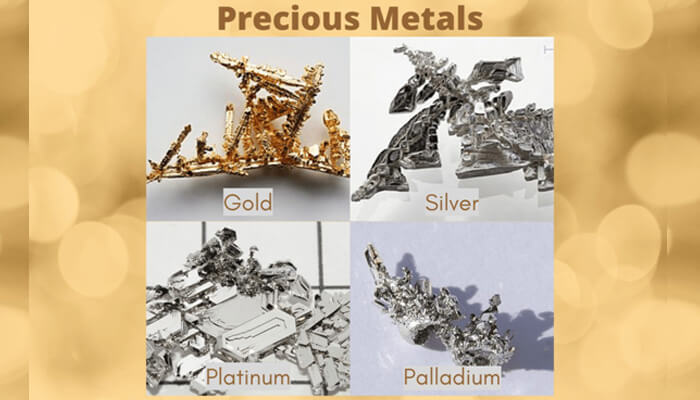
Gold (Au), silver (Ag), platinum (Pt), and palladium (Pd) each exhibit unique properties. Gold is known for its characteristic yellow luster, high density (19.3 g/cm³), and excellent malleability. Silver possesses the highest electrical conductivity of all metals, along with a brilliant white luster. Platinum is a dense, silvery-white metal renowned for its resistance to corrosion and high melting point.

Palladium, similar in appearance to platinum, is also highly resistant to corrosion and is valued for its catalytic properties. These properties are not merely aesthetic; they dictate the metals’ industrial and technological applications. The specific gravity and melting points of these metals are critical factors in their refining and manufacturing processes.

Geological Formation and Extraction Processes

Precious metals are formed through various geological processes, primarily within the Earth’s crust. Hydrothermal deposits, formed by hot, mineral-rich water circulating through fissures in rocks, are a significant source. These deposits often contain high concentrations of precious metals, deposited as veins or disseminated within the surrounding rock. Another important source is placer deposits, where erosion and weathering processes concentrate heavy minerals, including precious metals, in riverbeds and other sedimentary environments.

Extraction processes vary depending on the type of deposit. For hydrothermal veins, mining techniques such as underground or open-pit mining are employed, followed by complex refining processes to isolate the precious metals. Placer deposits are often exploited using techniques like dredging or panning. The entire process, from exploration and mining to refining and purification, is energy-intensive and environmentally impactful, requiring careful management and responsible practices.

Historical and Cultural Significance of Precious Metals

Throughout history, precious metals have held profound cultural and symbolic significance across diverse societies. Gold, in particular, has been associated with power, wealth, and divinity. Ancient civilizations, from the Egyptians to the Incas, valued gold for its aesthetic appeal and used it to adorn royalty and religious artifacts. Similarly, silver has been used as a medium of exchange and a symbol of purity and wealth.

Platinum and palladium, while less widely used historically due to their greater processing challenges, have gained increasing importance in modern industrial and technological applications, reflecting their unique properties. The enduring allure of precious metals reflects their intrinsic value, their historical associations, and their continued use in jewelry, technology, and finance.

Investing in precious metals presents both opportunities and challenges. While they can offer protection against inflation and economic instability, understanding the inherent risks and employing sound investment strategies is crucial. By carefully considering the various investment vehicles, analyzing market trends, and implementing effective risk management techniques, investors can potentially harness the long-term value proposition of precious metals. This guide has provided a foundation for navigating this complex market; however, thorough research and potentially consulting with a financial advisor are recommended before making any investment decisions.

Common Queries

What are the tax implications of investing in precious metals?

Tax implications vary depending on your location and the specific investment vehicle used. Capital gains taxes may apply upon sale, and it’s advisable to consult a tax professional for personalized advice.

How can I store physical precious metals safely?

Secure storage options include home safes, bank safety deposit boxes, and specialized precious metal storage facilities. The best option depends on the quantity and value of your holdings.

What are the transaction costs associated with precious metal investments?

Transaction costs vary depending on the investment method. Buying physical bullion involves premiums over spot prices, while ETFs and futures contracts have brokerage fees and commissions.

Are precious metals a good investment for beginners?

Precious metals can be part of a diversified portfolio for beginners, but it’s crucial to understand the market’s volatility and risks. Starting with smaller investments and thorough research is recommended.

Precious Metals Portfolio Diversification

Precious metals diversification portfolio stronger makes why share

Diversifying your investment portfolio with precious metals offers a compelling strategy for navigating economic uncertainty. Historically, gold, silver, platinum, and palladium have served as reliable stores of value, their inherent properties making them attractive assets during times of inflation or geopolitical instability. Understanding the interplay between these metals, other asset classes, and macroeconomic factors is crucial for effectively leveraging their potential within a well-structured portfolio.

This exploration delves into the multifaceted world of precious metals, examining their historical performance, price volatility, and their role in mitigating risk. We will investigate various investment strategies, including physical bullion, ETFs, and mining stocks, weighing their respective advantages and disadvantages. Furthermore, we’ll analyze the impact of inflation, interest rates, and central bank policies on precious metal prices, providing a comprehensive framework for informed decision-making.

Introduction to Precious Metals

Precious metals portfolio diversification

Precious metals have held a significant role in human history, serving not only as mediums of exchange but also as reliable stores of value across diverse cultures and economic systems. Their enduring appeal stems from a combination of inherent properties and the collective belief in their intrinsic worth, a sentiment that has persisted through centuries of economic upheaval and technological advancements.

Understanding these factors is crucial for anyone considering incorporating precious metals into a diversified investment portfolio.Precious metals, particularly gold, silver, platinum, and palladium, possess unique characteristics that contribute to their investment desirability. These properties, combined with factors such as limited supply and consistent demand, make them attractive assets during times of economic uncertainty.

Properties of Precious Metals

Gold, renowned for its lustrous yellow color and malleability, is highly resistant to corrosion and tarnish. This inherent stability, coupled with its scarcity, has solidified its position as a safe haven asset. Silver, while more reactive than gold, possesses excellent electrical conductivity and is widely used in industrial applications, influencing its price dynamics. Platinum and palladium, belonging to the platinum group metals, are characterized by their high melting points, resistance to corrosion, and catalytic properties.

These properties drive demand in the automotive and jewelry industries, impacting their investment value. The relative scarcity of these metals further contributes to their value.

Price Volatility of Precious Metals

The price volatility of precious metals varies considerably. Gold, often considered the most stable, tends to exhibit lower volatility compared to silver, platinum, and palladium. However, even gold’s price can fluctuate significantly in response to macroeconomic events, such as changes in interest rates, inflation, and geopolitical instability. Silver, due to its industrial applications, is often more susceptible to price swings driven by changes in manufacturing and technological demand.

Platinum and palladium, heavily reliant on the automotive industry, are particularly sensitive to fluctuations in global car production and technological shifts toward electric vehicles. For example, the increase in demand for electric vehicles, requiring less platinum and palladium in catalytic converters, has directly impacted their price. Historical price charts clearly illustrate these differences in volatility, showcasing periods of significant price appreciation and depreciation for each metal.

A well-diversified precious metals portfolio should consider these differing volatility profiles to mitigate overall risk.

Understanding Portfolio Diversification

Diversification is a fundamental principle of investing, aiming to reduce overall portfolio risk by spreading investments across different asset classes. By not putting all your eggs in one basket, you mitigate the impact of any single investment performing poorly. This strategy is crucial for achieving long-term financial goals while managing potential losses.The core benefit of diversification lies in its risk-reduction capabilities.

When asset classes are negatively correlated – meaning they tend to move in opposite directions – the negative performance of one can be offset by the positive performance of another, thus smoothing out overall portfolio volatility. This doesn’t eliminate risk entirely, but it significantly reduces the potential for substantial losses.

Asset Allocation Beyond Precious Metals

A well-diversified portfolio typically includes a mix of asset classes with varying risk and return profiles. While precious metals like gold and silver offer a hedge against inflation and economic uncertainty, they shouldn’t constitute the entire portfolio. Other asset classes, such as equities (stocks), fixed-income securities (bonds), and real estate, contribute to a more balanced and resilient portfolio. Equities offer potential for higher returns but come with higher risk, while bonds provide stability and income.

Real estate offers a tangible asset with potential for appreciation and rental income. The specific allocation depends on individual risk tolerance and investment goals.

Hypothetical Portfolio Allocations

The following examples illustrate how different risk tolerances might translate into different portfolio allocations. These are hypothetical examples and should not be considered financial advice. Individual circumstances and market conditions should always be considered when making investment decisions.

Asset Class Conservative Portfolio (Low Risk) Moderate Portfolio (Medium Risk) Aggressive Portfolio (High Risk)
Precious Metals (Gold & Silver) 15% 10% 5%
Bonds (Government & Corporate) 60% 40% 20%
Equities (Large-Cap & Small-Cap) 20% 40% 60%
Real Estate (REITs or Direct Ownership) 5% 10% 15%

The conservative portfolio prioritizes capital preservation and stability, with a significant allocation to bonds. The moderate portfolio balances risk and return, with a more even distribution across asset classes. The aggressive portfolio seeks higher returns by taking on more risk, with a larger allocation to equities. These are just examples; the optimal allocation will depend on individual circumstances and financial goals.

It’s advisable to consult with a financial advisor to determine the most suitable portfolio for your specific needs.

Precious Metals in a Diversified Portfolio

Precious metals, particularly gold and silver, have historically played a significant role in portfolio diversification strategies, offering a unique set of characteristics that can enhance overall portfolio resilience. Their performance often diverges from traditional asset classes like stocks and bonds, providing a potential hedge against various economic scenarios. This section will explore the specific benefits of including precious metals in a well-diversified portfolio.

The Role of Precious Metals in Mitigating Portfolio Risk During Economic Uncertainty

During periods of economic uncertainty, such as recessions or geopolitical instability, investors often seek safe haven assets. Precious metals, due to their inherent scarcity and perceived store-of-value properties, tend to attract investment flows as investors move away from riskier assets. This negative correlation with traditional asset classes can help reduce overall portfolio volatility and downside risk. For instance, during the 2008 financial crisis, while stocks plummeted, gold prices surged, demonstrating its capacity to act as a portfolio stabilizer.

The inherent value of precious metals, independent of economic performance, provides a level of security that other assets often lack.

A Comparison of Precious Metals and Other Asset Classes During Inflationary Periods

Inflation erodes the purchasing power of fiat currencies. Precious metals, historically, have served as a hedge against inflation. While stocks and bonds can experience declines during inflationary periods, precious metals often appreciate in value as investors seek to protect their wealth from the depreciating value of their currency. For example, during the inflationary periods of the 1970s, gold prices significantly outperformed many other asset classes.

However, the relationship between inflation and precious metal prices isn’t always perfectly linear; other economic factors influence their performance. It is crucial to note that while precious metals often provide a hedge, they are not immune to market fluctuations and can experience periods of price decline.

Examples of Successful Portfolio Strategies Incorporating Precious Metals

Several successful portfolio strategies have incorporated precious metals to enhance risk management and return potential. One common approach involves allocating a specific percentage of the portfolio (typically 5-10%, but this can vary significantly depending on risk tolerance and investment goals) to precious metals, primarily gold and silver, as a hedge against inflation and economic uncertainty. This allocation is often adjusted based on market conditions and individual investor preferences.

Another strategy involves using precious metals as a component of a tactical asset allocation approach, increasing the allocation during periods of heightened economic uncertainty and reducing it during periods of stability. A balanced portfolio incorporating precious metals alongside stocks and bonds aims for a diversified approach that aims to minimize risk while maximizing returns.

Historical Performance Comparison of Asset Classes

Asset Class Average Annual Return (10 years) Standard Deviation (10 years) Correlation with Inflation
Gold 8% (Illustrative – varies by period and data source) 15% (Illustrative – varies by period and data source) Positive (generally, but varies by period)
Silver 10% (Illustrative – varies by period and data source) 20% (Illustrative – varies by period and data source) Positive (generally, but varies by period)
Stocks (S&P 500) 12% (Illustrative – varies by period and data source) 18% (Illustrative – varies by period and data source) Variable (can be positive or negative depending on the period)
Bonds (10-year Treasury) 3% (Illustrative – varies by period and data source) 8% (Illustrative – varies by period and data source) Negative (generally, but varies by period)

Note

The figures presented in the table are illustrative examples and can vary significantly depending on the specific time period considered and the data source used. It’s crucial to consult reliable financial data sources for precise figures.*

Factors Influencing Precious Metal Prices

Precious metals diversification portfolio stronger makes why share

Precious metal prices, unlike those of many other commodities, are influenced by a complex interplay of macroeconomic factors, market dynamics, and governmental policies. Understanding these influences is crucial for investors seeking to navigate the precious metals market effectively. These factors often act in concert, creating a dynamic and sometimes unpredictable pricing environment.The price of precious metals like gold, silver, platinum, and palladium is not solely determined by supply and demand in the traditional sense.

Instead, their value is often seen as a hedge against various economic and geopolitical uncertainties, leading to a more nuanced understanding of price determination.

Macroeconomic Factors

Several key macroeconomic indicators significantly impact precious metal prices. Inflation, for example, is often considered a major driver. When inflation rises, the purchasing power of fiat currencies diminishes, making precious metals, which hold intrinsic value, an attractive alternative investment. Similarly, interest rates play a crucial role. Higher interest rates generally increase the opportunity cost of holding non-yielding assets like gold, potentially decreasing demand.

Conversely, low or negative interest rates can stimulate investment in precious metals as investors seek returns beyond traditional financial instruments. Geopolitical instability, such as wars, political upheavals, or trade disputes, can also drive demand for precious metals as investors seek safe haven assets during periods of uncertainty. For example, the 2022 Russian invasion of Ukraine saw a surge in gold prices as investors sought refuge from the escalating geopolitical risks.

Supply and Demand Dynamics

The interplay of supply and demand is fundamental to any commodity market, and precious metals are no exception. Mining production, a key component of supply, is influenced by factors such as technological advancements, operating costs, and geopolitical stability in mining regions. Disruptions to mining operations, whether due to natural disasters or political instability, can lead to supply shortages and price increases.

On the demand side, industrial applications, investment demand (particularly from central banks and exchange-traded funds), and jewelry manufacturing all contribute to overall demand. Changes in these demand components can significantly influence price fluctuations. For instance, increased industrial demand for platinum in the automotive sector can lead to higher platinum prices.

Central Bank Policies

Central banks play a significant role in shaping precious metal prices through their monetary policies. Decisions regarding interest rates, quantitative easing, and currency manipulation can all have a considerable impact. For example, expansive monetary policies, such as quantitative easing (QE), can lead to inflation and devalue fiat currencies, thus increasing the demand for precious metals as a store of value.

Conversely, contractionary monetary policies aimed at curbing inflation may reduce the appeal of precious metals. Furthermore, central banks themselves are significant players in the precious metals market; their buying and selling activities can directly influence prices. The accumulation of gold reserves by many central banks globally has been a factor supporting gold prices in recent years.

Incorporating precious metals into a diversified portfolio offers a nuanced approach to risk management and wealth preservation. While inherent volatility necessitates careful consideration and strategic risk mitigation, the historical evidence strongly suggests their value as a hedge against inflation and economic downturns. By understanding the dynamics of the precious metals market and employing appropriate investment strategies, investors can harness the potential of these assets to enhance portfolio resilience and long-term growth.

Careful planning and ongoing monitoring remain essential for maximizing returns while minimizing potential losses.

Question Bank

What are the storage risks associated with physical precious metals?

Storage risks include theft, damage, and loss. Secure storage options like safety deposit boxes or specialized vaults are recommended.

How do I determine the right allocation of precious metals in my portfolio?

The optimal allocation depends on your risk tolerance, investment goals, and overall portfolio strategy. Financial advisors can help determine a suitable percentage.

What are the tax implications of investing in precious metals?

Tax implications vary depending on your location and the type of investment (physical bullion, ETFs, etc.). Consult a tax professional for personalized advice.

What is the difference between investing in physical gold and gold ETFs?

Physical gold offers direct ownership but involves storage costs and security concerns. Gold ETFs provide exposure to gold prices without the need for physical storage, but you don’t own the physical gold.

Gold as a Hedge Against Inflation

For centuries, gold has held a unique position in the global financial landscape, often serving as a safe haven during times of economic uncertainty. Its inherent value and scarcity have made it a compelling asset, particularly when inflation erodes the purchasing power of fiat currencies. This exploration delves into the multifaceted relationship between gold and inflation, examining its historical performance, the factors influencing its price, and its role in modern portfolio diversification strategies.

We will analyze gold’s historical price movements in relation to inflation rates, comparing its performance during periods of both high and low inflation. Further, we’ll investigate the interplay of macroeconomic factors, investor sentiment, and geopolitical events on gold’s price volatility. Finally, we will compare gold’s effectiveness as an inflation hedge against other asset classes, offering a comprehensive understanding of its strengths and limitations.

Gold vs. Other Inflation Hedges

Gold’s performance as an inflation hedge is often debated, particularly when compared to other traditional asset classes. Understanding the relative strengths and weaknesses of each is crucial for effective portfolio diversification and inflation protection. This section will analyze gold’s performance against real estate, stocks, and bonds, considering historical data, liquidity, and volatility.

Comparative Performance of Inflation Hedges

The performance of various assets as inflation hedges varies significantly depending on the specific inflationary period and the overall economic climate. While gold often displays a positive correlation with inflation, other assets can exhibit diverse behaviors. A thorough comparison requires considering factors beyond simple price appreciation.

  • Real Estate: Historically, real estate has often served as a good inflation hedge, as property values tend to rise with inflation due to increased construction costs and higher demand. However, real estate is illiquid, meaning it can be difficult to quickly sell and convert to cash, and its value is heavily influenced by local market conditions. The 2008 housing market crash serves as a stark reminder of the risks involved.

  • Stocks: Stocks, representing ownership in companies, can also act as an inflation hedge, especially those of companies with pricing power that can pass increased costs onto consumers. However, stock market performance is highly volatile and susceptible to economic downturns and investor sentiment. The tech bubble burst of the early 2000s illustrates the significant losses that can occur.
  • Bonds: Bonds, representing loans to governments or corporations, typically perform poorly during inflationary periods. Inflation erodes the purchasing power of fixed-income payments, leading to real losses. However, high-quality government bonds can provide some stability during times of market uncertainty.
  • Gold: Gold has a long history as a store of value and inflation hedge. Its limited supply and inherent value make it a safe haven asset during times of economic instability. However, gold’s price can fluctuate significantly based on investor sentiment and currency movements, and it doesn’t generate income like some other assets.

Risk and Reward Analysis of Inflation Hedges

Each asset class carries a unique risk-reward profile as an inflation hedge. Investors must carefully weigh these factors based on their individual risk tolerance and investment goals.

  • Real Estate: High potential returns, but low liquidity and significant local market risk. The risk of a market downturn or property damage needs careful consideration.
  • Stocks: High potential returns, but high volatility and susceptibility to economic downturns. Diversification across various sectors can mitigate some of the risk.
  • Bonds: Lower returns than stocks or real estate, but generally less volatile. The risk of inflation eroding returns is significant.
  • Gold: Moderate potential returns, low correlation with other assets, and relatively low volatility compared to stocks. However, it does not generate income and can be susceptible to currency fluctuations.

Comparative Analysis of Asset Classes

The following table summarizes the historical performance, liquidity, and volatility of gold against real estate, stocks, and bonds. Note that past performance is not indicative of future results. Data sources should be cited for complete accuracy and verification.

Asset Class Historical Performance (Inflation-Adjusted) Liquidity Volatility
Gold Variable, often positive correlation with inflation, but with significant fluctuations High Moderate
Real Estate Generally positive correlation with inflation, but highly dependent on location and market conditions Low Moderate to High
Stocks Variable, often outperforms inflation over the long term, but highly volatile High High
Bonds Often negatively correlated with inflation, particularly during periods of high inflation High Low to Moderate

In conclusion, while no investment is without risk, gold’s enduring appeal as an inflation hedge stems from its inherent properties and its historical performance. Its role as a safe haven asset, coupled with its potential for diversification within a well-structured portfolio, makes it a worthy consideration for investors seeking to protect their wealth against the erosive effects of inflation.

However, a thorough understanding of the influencing factors and potential risks remains crucial for informed decision-making.

General Inquiries

What are the transaction costs associated with buying and selling gold?

Transaction costs vary depending on the method of investment (physical gold, gold ETFs, etc.) and the broker or dealer used. Expect fees related to purchasing, storage (for physical gold), and potential commissions.

How does gold perform during deflationary periods?

During deflation, when prices fall, gold’s performance can be less impressive than during inflationary periods. While it might still hold its value, its price may not appreciate significantly, and other assets might offer better returns.

Is it better to invest in physical gold or gold ETFs?

The optimal choice depends on individual circumstances and risk tolerance. Physical gold offers tangible ownership but entails storage and security costs. Gold ETFs offer easier accessibility and liquidity but involve counterparty risk.

What are the tax implications of investing in gold?

Tax implications vary depending on your location and the specific investment vehicle. Capital gains taxes may apply upon the sale of gold or gold-related investments. Consult a tax professional for personalized advice.

Diversifying with Precious Metals A Strategic Guide

Metals precious diversifying hedges

Precious metals, historically a haven during economic uncertainty, offer a compelling diversification strategy for modern investors. Beyond their traditional role as a store of value, gold, silver, platinum, and palladium each present unique investment characteristics influenced by global economic forces, industrial demand, and investor sentiment. Understanding these dynamics is key to harnessing their potential within a well-rounded portfolio.

This exploration delves into the various facets of precious metal investment, examining the market forces that drive price fluctuations, the diverse investment vehicles available, and the crucial aspects of risk management. We’ll compare and contrast different precious metals, analyze effective portfolio allocation strategies, and equip you with the knowledge to navigate this complex yet rewarding asset class.

Introduction to Precious Metals as a Diversification Strategy

Precious metals have historically served as a haven for investors seeking to protect their portfolios from economic uncertainty and inflation. Their inherent value, independent of fiat currencies, has made them a compelling addition to diversified investment strategies for centuries. Understanding their role in portfolio construction is crucial for building a resilient and robust financial foundation.Precious metals offer several advantages as a diversification tool.

Their low correlation with traditional asset classes like stocks and bonds means they can act as a buffer during market downturns. When stocks fall, precious metals often rise, mitigating overall portfolio losses. Furthermore, their tangible nature provides a sense of security, particularly during times of economic or political instability. The inherent scarcity of these metals also contributes to their long-term value preservation.

Types of Precious Metals for Diversification

Gold, silver, platinum, and palladium are the most commonly used precious metals in investment portfolios. Each metal possesses unique characteristics that influence its suitability for specific investment goals. Gold, for instance, is often seen as a safe haven asset, holding its value well during periods of economic uncertainty. Silver, while more volatile than gold, offers potentially higher returns and significant industrial applications.

Platinum and palladium, primarily used in the automotive industry and other specialized applications, exhibit price fluctuations tied to industrial demand.

Comparison of Precious Metal Characteristics

Metal Price Volatility Industrial Use Investment Demand
Gold Relatively Low Jewelry, electronics, dentistry High, considered a safe haven asset
Silver Relatively High Photography, electronics, solar panels Moderate, industrial demand influences price
Platinum Moderate to High Automotive catalysts, jewelry Moderate, industrial demand is a key driver
Palladium High Automotive catalysts, electronics Moderate, largely driven by automotive industry demand

Investment Vehicles for Precious Metals

Investing in precious metals offers a potential hedge against inflation and economic uncertainty, but the approach to this investment can vary significantly. Understanding the different investment vehicles available is crucial for building a successful strategy. This section Artikels the primary methods of precious metal investment, highlighting their respective advantages and disadvantages.

Physical Bullion

Investing directly in physical precious metals like gold and silver bars or coins provides tangible ownership. This method offers a sense of security and control, as you physically possess the asset. However, storage and insurance costs must be considered. Furthermore, the liquidity of physical bullion can be lower than other investment vehicles, as selling it requires finding a buyer and potentially negotiating a price.

The risk is primarily tied to price fluctuations and the potential for theft or loss. A successful strategy might involve buying during periods of market downturn and storing securely. An unsuccessful strategy could involve buying at market peaks and experiencing storage or security issues.

Exchange-Traded Funds (ETFs)

Precious metal ETFs offer a convenient and relatively low-cost way to gain exposure to precious metals without the need for physical storage. These funds track the price of a specific metal, allowing investors to buy and sell shares on a stock exchange. ETFs generally offer higher liquidity than physical bullion, but their returns are directly tied to the underlying metal’s price.

Risks include market volatility and the expense ratio charged by the ETF provider. A successful strategy might involve diversifying across different precious metal ETFs, potentially including those tracking platinum or palladium. An unsuccessful strategy might involve investing heavily in a single ETF during a period of significant price decline.

Mining Stocks

Investing in mining companies offers leveraged exposure to precious metal prices. A rise in metal prices can significantly boost the profits of mining companies, leading to higher stock prices. However, this leverage also magnifies the downside risk. Mining stocks are susceptible to factors beyond metal prices, such as operational challenges, regulatory changes, and geopolitical risks. A successful strategy would involve thorough due diligence on individual companies, focusing on their financial health, production capabilities, and management team.

An unsuccessful strategy could involve investing in poorly managed or financially unstable mining companies.

Comparison of Investment Vehicles

Investment Vehicle Liquidity Risk Profile Potential Returns
Physical Bullion Low Medium to High (price volatility, storage risks) Medium to High (dependent on price movements)
ETFs High Medium (price volatility, expense ratios) Medium (dependent on price movements)
Mining Stocks Medium to High High (price volatility, operational risks, geopolitical risks) High (potential for significant gains, but also significant losses)

Diversification Strategies Using Precious Metals

Gold silver precious metals market

Precious metals, including gold, silver, platinum, and palladium, offer a unique opportunity to enhance portfolio diversification and mitigate risk. Their low correlation with traditional asset classes like stocks and bonds makes them valuable tools for managing overall portfolio volatility and potentially improving risk-adjusted returns. Strategic allocation of precious metals can significantly impact a portfolio’s resilience during periods of market uncertainty.

Portfolio Allocation Strategies Incorporating Precious Metals

Several strategies exist for integrating precious metals into a diversified investment portfolio. The optimal approach depends on individual risk tolerance, investment goals, and the overall market outlook. A conservative approach might involve a smaller allocation, while a more aggressive strategy could incorporate a larger percentage of precious metals, particularly during periods of heightened economic uncertainty or inflation. Consideration should also be given to the specific precious metal chosen, as each possesses unique characteristics and price sensitivities.

For example, gold is often seen as a safe haven asset, while silver has industrial applications that can influence its price.

Calculating Optimal Precious Metals Allocation

Determining the ideal allocation of precious metals requires a careful assessment of several factors. There’s no one-size-fits-all answer, and sophisticated portfolio optimization techniques may be employed. However, a common approach involves considering the investor’s risk profile, investment horizon, and the correlation between precious metals and other assets in the portfolio. For instance, an investor with a high risk tolerance and a long investment horizon might allocate a larger percentage to precious metals than an investor with a low risk tolerance and a short investment horizon.

Modern Portfolio Theory (MPT) and mean-variance optimization are frequently used to determine optimal allocations, aiming to maximize returns for a given level of risk. A simplified approach might involve allocating a percentage based on historical performance and projected inflation rates. For example, if inflation is expected to be high, a larger allocation to precious metals might be warranted.

Precious Metals as Inflation Hedges and Economic Uncertainty Protectors

Precious metals, particularly gold, have historically served as a hedge against inflation. During periods of rising inflation, the purchasing power of fiat currencies declines, while the value of precious metals tends to increase. This is because precious metals are tangible assets with inherent value, unlike fiat currencies which are subject to inflationary pressures. Similarly, during times of economic uncertainty or geopolitical instability, investors often flock to precious metals as a safe haven asset, driving up demand and prices.

This flight to safety is driven by the perception that precious metals offer stability and protection against potential losses in other asset classes. The 1970s, characterized by high inflation and economic turmoil, serve as a historical example of gold’s performance as an inflation hedge.

Hypothetical Portfolio Allocation

Consider a hypothetical portfolio with a total investment of $100,

000. Several allocation scenarios are possible

Asset Class Conservative Allocation (Low Risk) Moderate Allocation (Medium Risk) Aggressive Allocation (High Risk)
Stocks 60% ($60,000) 50% ($50,000) 40% ($40,000)
Bonds 30% ($30,000) 30% ($30,000) 20% ($20,000)
Precious Metals (Gold primarily) 10% ($10,000) 20% ($20,000) 40% ($40,000)

This table illustrates how the allocation to precious metals can vary depending on the investor’s risk tolerance. The conservative allocation prioritizes stability, while the aggressive allocation aims for higher potential returns but with increased risk. It’s crucial to remember that past performance is not indicative of future results, and these are merely hypothetical examples. Individual circumstances should always be considered when constructing a portfolio.

Risk Management in Precious Metal Investments

Metals precious diversifying hedges

Investing in precious metals, while offering diversification benefits, presents inherent risks that investors must carefully consider and manage. Understanding these risks and implementing appropriate strategies is crucial for achieving your investment goals while minimizing potential losses. Failure to adequately address these risks can significantly impact returns and even lead to substantial financial setbacks.

Potential Risks in Precious Metal Investments

Precious metals, like gold and silver, are known for their price volatility. This inherent price fluctuation can lead to significant gains but equally significant losses depending on market conditions. Furthermore, physical storage of precious metals incurs costs, including insurance, security, and potential losses from theft or damage. When investing through intermediaries, counterparty risk—the risk that the entity you’re dealing with might default—becomes a relevant factor.

These risks are interconnected and need to be addressed holistically for effective risk management.

Strategies for Mitigating Precious Metal Investment Risks

Diversification is a cornerstone of risk management in any investment portfolio, including precious metals. Instead of focusing solely on one metal, consider diversifying across different precious metals (gold, silver, platinum, palladium) or even into related assets like mining stocks. Hedging strategies, such as using futures contracts or options, can help offset potential price declines. Finally, securing appropriate storage for physical precious metals is paramount.

This might involve using a reputable vault or employing robust security measures at home, depending on the investment size and personal circumstances.

Understanding Risk Tolerance

Before investing in precious metals, it’s essential to understand your own risk tolerance. This involves assessing your comfort level with potential price fluctuations and losses. Conservative investors may prefer a smaller allocation to precious metals, while those with higher risk tolerance might allocate a larger portion of their portfolio. A thorough understanding of your personal financial situation and investment goals is vital in determining your appropriate risk profile.

Examples of Risk Management Techniques

Experienced precious metal investors often employ sophisticated risk management techniques. For example, a seasoned investor might use a dollar-cost averaging strategy to mitigate the impact of price volatility by purchasing precious metals at regular intervals regardless of the price. Another common technique is to diversify across different forms of precious metal investments, such as physical bullion, exchange-traded funds (ETFs), and mining company stocks, thereby reducing the impact of a negative event affecting a single investment type.

Some investors might use options contracts to protect against price drops, essentially acting as insurance against market downturns. The selection of risk management strategies should always be tailored to individual circumstances and investment objectives.

Precious Metals

Precious metals, including gold, silver, platinum, and palladium, hold unique positions in the global economy, driven by their inherent properties and historical significance. Understanding their geological origins, industrial applications, and cultural impact provides a more comprehensive view of their investment potential and broader societal role.

Gold Formation and Extraction

Gold is formed primarily through geological processes deep within the Earth’s crust. Hydrothermal veins, formed when hot, mineral-rich fluids circulate through cracks in rocks, are a significant source. These fluids deposit gold along with other minerals. Another source is placer deposits, where gold particles, being dense and resistant to weathering, accumulate in riverbeds and other sedimentary environments after being eroded from their original sources.

Extraction involves various methods, depending on the type of deposit. Large-scale mining operations often utilize open-pit or underground methods, employing heavy machinery and explosives to extract ore. Processing the ore typically involves crushing, grinding, and then using techniques like cyanidation (a chemical process that dissolves gold) to separate the gold from other materials. Finally, the extracted gold is refined to achieve high purity.

Platinum and Palladium Industrial Applications

Platinum and palladium are crucial in various industrial applications, primarily due to their catalytic properties. Platinum is a key component in catalytic converters used in automobiles to reduce harmful emissions. It’s also used in the production of electronics, chemical processes, and jewelry. Palladium shares similar catalytic properties, finding widespread use in catalytic converters and also in electronics, dentistry, and hydrogen purification.

The automotive industry is a major consumer of both metals, with the increasing demand for cleaner vehicles driving up their prices. For example, the growing adoption of fuel-efficient vehicles, such as hybrids and electric cars, contributes to the rising demand for these precious metals in their catalytic converters.

Silver’s Historical and Cultural Significance

Silver’s historical and cultural significance is deeply rooted in its malleability, luster, and antimicrobial properties. Ancient civilizations prized silver for its beauty and used it in jewelry, coinage, and decorative arts. Its use in coinage established it as a store of value and a medium of exchange for centuries. The “silver standard,” where currencies were backed by silver, highlights its historical role in monetary systems.

Beyond its monetary role, silver’s antimicrobial properties have led to its continued use in medical applications, such as wound dressings and water purification. Its use in photography, owing to its light sensitivity, further showcases its versatility and historical influence across diverse fields. For instance, the iconic images from early photography are a testament to silver’s unique contribution to the art form.

Environmental Impact of Precious Metal Mining

Precious metal mining carries significant environmental consequences. Open-pit mining can lead to habitat destruction, water pollution from chemical runoff (like cyanide used in gold extraction), and soil erosion. Underground mining poses risks of mine collapses and groundwater contamination. The energy consumption associated with extraction and processing contributes to greenhouse gas emissions. Furthermore, the disposal of mining waste, often containing heavy metals, poses long-term environmental hazards.

Sustainable mining practices, including responsible water management, efficient energy use, and proper waste disposal, are crucial to mitigate the negative impacts. However, the industry continues to grapple with balancing economic interests with environmental protection, a complex challenge demanding ongoing innovation and stricter regulations.

Successfully integrating precious metals into your investment strategy requires a nuanced understanding of market dynamics, risk tolerance, and available investment vehicles. By carefully considering the factors discussed—from macroeconomic influences to the specific characteristics of each metal and the associated risks—investors can leverage precious metals to enhance portfolio resilience and potentially achieve superior long-term returns. Remember that diligent research and a well-defined investment plan are paramount to success in this domain.

FAQ Corner

What are the tax implications of investing in precious metals?

Tax implications vary depending on your location and the specific investment vehicle used. Capital gains taxes may apply upon sale, and it’s crucial to consult a tax professional for personalized advice.

How do I store physical precious metals safely?

Secure storage options range from home safes to reputable private vaults. Consider factors like insurance, accessibility, and security measures when choosing a storage solution. The level of security required depends on the value of your holdings.

Are precious metals a good hedge against inflation?

Historically, precious metals have often served as a hedge against inflation, as their value tends to rise when the purchasing power of fiat currencies declines. However, this isn’t guaranteed, and their performance can vary.

What are the environmental considerations of precious metal mining?

Precious metal mining can have significant environmental impacts, including habitat destruction, water pollution, and greenhouse gas emissions. Responsible sourcing and investment in companies with strong environmental, social, and governance (ESG) practices are important considerations.

Precious Metals ETFs vs Physical Metals Investing Strategies

Metals precious comparing etfs finance source google

The allure of precious metals – gold, silver, platinum, and palladium – as a hedge against inflation and economic uncertainty has captivated investors for centuries. Today, accessing this market involves a crucial decision: investing in precious metals exchange-traded funds (ETFs) or acquiring physical bullion. Both options offer unique advantages and drawbacks, demanding a careful consideration of individual financial goals and risk tolerance.

This exploration delves into the intricacies of each approach, enabling informed investment choices.

Understanding the nuances of precious metal price fluctuations, driven by factors such as global economic conditions, geopolitical events, and industrial demand, is paramount. This analysis compares the liquidity, tax implications, and inherent risks associated with ETFs versus physical possession, providing a framework for building a diversified portfolio tailored to specific investment objectives. We will examine various investment strategies, including the strategic combination of both ETFs and physical metals, to optimize returns while mitigating potential losses.

Introduction to Precious Metals

Precious metals, encompassing gold, silver, platinum, and palladium, have held significant cultural and economic value for millennia. Their inherent properties, such as rarity, durability, and resistance to corrosion, have driven their use in currency, jewelry, and industrial applications, shaping global economies and influencing historical events. Understanding these metals’ characteristics and the factors affecting their prices is crucial for investors considering exposure to this asset class.Precious metal prices are influenced by a complex interplay of factors.

Supply and demand dynamics play a significant role, with mining production, industrial consumption, and investment demand all impacting price fluctuations. Geopolitical events, economic conditions (including inflation and interest rates), and currency movements also exert considerable influence. For example, periods of economic uncertainty often lead to increased investment demand for gold, driving its price higher as investors seek a safe haven asset.

Conversely, strong economic growth can boost industrial demand for platinum and palladium, used extensively in automotive catalytic converters, leading to price increases in these metals. Central bank policies, particularly regarding monetary easing or tightening, also have a substantial effect on the overall precious metals market.

Forms of Precious Metal Investment

Investors can access the precious metals market through various avenues. Physical ownership, involving the direct purchase of bullion bars or coins, offers tangible asset control but necessitates secure storage and insurance considerations. Exchange-Traded Funds (ETFs) provide a convenient and cost-effective way to gain exposure to precious metals without the complexities of physical storage. These ETFs track the price of a specific metal, allowing investors to buy and sell shares representing a fractional ownership of the underlying asset.

Furthermore, investors can gain exposure through futures contracts, which involve agreeing to buy or sell a specific quantity of a precious metal at a future date. This strategy is often employed by sophisticated investors seeking to speculate on price movements or hedge against market risks. Finally, mining company stocks offer another route to participation, allowing investors to profit from the production and sale of precious metals, although this is subject to the performance of the specific company, rather than just the metal’s price.

Precious Metals ETFs Explained

Etf physical

Precious metals exchange-traded funds (ETFs) offer investors a convenient and cost-effective way to gain exposure to the precious metals market without the need to physically purchase and store gold, silver, platinum, or palladium. These funds track the price of a specific precious metal or a basket of metals, allowing investors to participate in price movements through the purchase and sale of ETF shares on a stock exchange.Precious metals ETFs function similarly to other ETFs, mirroring the performance of an underlying index or benchmark.

When you buy shares of a gold ETF, for example, you are essentially buying a proportionate share of the gold held by the ETF. The fund manager is responsible for purchasing and managing the physical metal or related derivatives, while investors benefit from the price fluctuations without the complexities of direct ownership.

Advantages and Disadvantages of Precious Metals ETFs

Investing in precious metals ETFs presents several advantages. They offer liquidity, allowing for easy buying and selling of shares throughout the trading day. They also tend to be more affordable than purchasing physical metals, due to lower storage and insurance costs. Furthermore, ETFs provide diversification benefits, particularly diversified precious metals ETFs which allow exposure to multiple metals.

However, there are disadvantages to consider. ETFs are subject to market fluctuations, and their performance is directly tied to the price of the underlying metal(s). Additionally, there are expense ratios associated with ETF ownership, which can impact overall returns. Finally, while generally considered safe, the value of ETFs can be affected by broader market conditions and investor sentiment.

Types of Precious Metals ETFs

Precious metals ETFs are available for various metals, offering investors choices tailored to their investment strategies and risk tolerance. Gold ETFs are the most common, tracking the price of gold. Silver ETFs offer exposure to silver, a metal often considered more volatile than gold. Platinum and palladium ETFs cater to investors interested in these industrial metals. Diversified precious metals ETFs provide exposure to a basket of precious metals, potentially reducing overall portfolio volatility through diversification.

The choice depends on individual risk tolerance and investment objectives. For instance, an investor seeking stability might prefer a gold ETF, while a more risk-tolerant investor might consider a diversified precious metal ETF or one focused on silver.

Comparison of Precious Metals ETFs

The following table compares three different precious metals ETFs. Note that ETF performance and expense ratios can fluctuate; this data represents a snapshot in time and should not be considered investment advice. Always consult up-to-date information from reliable financial sources before making any investment decisions.

ETF Name Expense Ratio Holdings Tracking Method
iShares Gold Trust (IAU) ~0.40% Physical gold Physically-backed
Invesco DB Commodity Index Tracking Fund (DBC) ~0.85% Broad range of commodities, including precious metals futures contracts Futures-based
Aberdeen Standard Physical Gold ETC (SGLN) ~0.20% Physical gold Physically-backed

Physical Precious Metals Explained

Investing in physical precious metals like gold and silver offers a tangible asset class distinct from ETFs. Understanding the process of acquisition, storage, and associated costs is crucial for informed decision-making. This section details the practical aspects of owning physical precious metals.

Buying and Storing Physical Precious Metals

Purchasing physical precious metals typically involves finding a reputable dealer, either online or in person. Dealers offer various forms, including bullion bars (typically larger quantities) and coins (often preferred for their numismatic value and easier divisibility). The purchase process generally involves selecting the desired metal, quantity, and form, followed by payment and delivery. For larger purchases, secure delivery methods, such as insured shipping, are essential.

Storage options range from home safes (for smaller quantities) to private vaults (for significant holdings) offered by specialized companies. Choosing the appropriate storage solution depends on the quantity of metal owned and the level of security desired.

Advantages and Disadvantages of Owning Physical Precious Metals

Owning physical precious metals presents several advantages. Tangibility provides a sense of security and direct ownership, unlike the indirect ownership offered by ETFs. Physical metals are generally considered a hedge against inflation and currency devaluation. Furthermore, they can offer a degree of privacy not always associated with electronic investments. However, disadvantages include storage costs and security risks.

The need for secure storage adds expense and complexity. Liquidity can also be a concern, as selling physical metals might require finding a buyer and negotiating a price, unlike the immediate liquidity of ETFs. Finally, the potential for theft or loss necessitates careful consideration of security measures.

Security Considerations for Storing Physical Precious Metals

Security is paramount when storing physical precious metals. Home safes offer a basic level of security, but their effectiveness depends on their quality and the overall security of the residence. For larger quantities, renting space in a professionally managed vault is recommended. These facilities often employ advanced security measures, including surveillance systems, access controls, and insurance against theft or damage.

The choice between home storage and a professional vault depends on the quantity and value of the metals owned, as well as the individual’s risk tolerance. It is advisable to consider factors like location, insurance coverage, and reputation when selecting a storage provider.

Costs Associated with Buying and Storing Physical Precious Metals

Several costs are associated with owning physical precious metals. The first is the premium, which is the amount above the spot price that a dealer charges. This premium varies depending on the metal, form (bullion bars or coins), and dealer. Storage costs also apply, especially for those using professional vault services. These fees are usually calculated annually based on the amount of metal stored.

Insurance is another expense, protecting against loss or damage. The cost of insurance depends on the value of the metals and the level of coverage desired. Finally, there may be transaction costs associated with buying and selling the metals, including commissions or fees charged by dealers. It is important to factor all these costs into the overall investment strategy.

ETFs vs. Physical Metals

Investing in precious metals offers diversification benefits and potential protection against inflation. However, the choice between precious metals exchange-traded funds (ETFs) and physical metal ownership presents distinct advantages and disadvantages that investors should carefully consider. This comparison analyzes liquidity, tax implications, and associated risks to aid in informed decision-making.

Liquidity Comparison

ETFs generally offer superior liquidity compared to physical precious metals. ETFs can be bought and sold throughout the trading day on major exchanges, providing immediate access to your investment. Conversely, selling physical metals requires finding a buyer, which can take time and may involve negotiating a price. The ease and speed of ETF transactions make them a more liquid option, particularly for investors needing quick access to their capital.

Tax Implications

The tax implications of investing in precious metals ETFs versus physical metals differ significantly. Capital gains taxes on ETF profits are generally straightforward, following standard rules for investment securities. However, the tax treatment of physical precious metals can be more complex, depending on the circumstances of sale and holding period. For example, short-term gains on physical metal sales are taxed at ordinary income rates, while long-term gains receive preferential capital gains rates.

Detailed tax advice from a qualified professional is recommended to navigate these nuances effectively.

Risk Assessment

Both ETFs and physical metals carry inherent risks. ETFs are subject to market fluctuations and counterparty risk (the risk that the ETF issuer may default). Furthermore, the ETF’s performance is tied to the underlying precious metal price, so a decline in the metal’s value will directly impact the ETF’s share price. Physical metals, on the other hand, carry risks related to storage, security, and potential theft or damage.

Insurance costs and the potential for price fluctuations also need to be considered. Diversification within a broader investment portfolio can help mitigate some of these risks.

Storage, Security, and Accessibility

Feature Precious Metals ETFs Physical Precious Metals
Storage Held electronically in a brokerage account; no physical storage required by the investor. Requires secure storage, potentially involving costs for safes, vaults, or specialized storage facilities.
Security Subject to the security measures of the ETF issuer and the brokerage firm. Risk of counterparty default exists. Vulnerable to theft, loss, or damage. Insurance is recommended to mitigate these risks.
Accessibility Easily accessible through online trading platforms; immediate buying and selling capabilities. Requires finding a buyer for physical sale; potentially less liquid than ETFs. Transportation and handling are also factors.

Investment Strategies

Investing in precious metals offers a multifaceted approach, leveraging both the liquidity of ETFs and the tangible security of physical holdings. Strategic allocation between these two asset classes can significantly enhance portfolio diversification and risk management, particularly in times of economic uncertainty. This section will explore various investment strategies that combine ETFs and physical metals, providing a framework for building a robust precious metals portfolio.

Examples of Investment Strategies Combining ETFs and Physical Metals

A balanced approach often involves using ETFs for active trading and portfolio adjustments, while physical metals serve as a long-term store of value and a hedge against inflation. For instance, an investor might allocate 70% of their precious metals investment to gold ETFs (allowing for easy buying and selling) and 30% to physical gold bars or coins (providing a tangible asset).

Alternatively, a more conservative strategy could involve a higher percentage in physical metals, perhaps 60% physical and 40% ETFs, prioritizing capital preservation over active trading. Another strategy could involve using silver ETFs for shorter-term trades, capitalizing on price fluctuations, while holding physical platinum or palladium as a longer-term investment, benefiting from their industrial applications and potential for price appreciation driven by technological advancements.

Diversifying a Precious Metals Portfolio Using ETFs and Physical Metals

Diversification within the precious metals sector is crucial to mitigate risk. This can be achieved by combining different precious metals (gold, silver, platinum, palladium) in both ETF and physical forms. For example, an investor could hold gold ETFs for broad market exposure, while simultaneously owning physical silver coins as a potentially higher-growth, but also higher-risk, component. Platinum and palladium ETFs could be added for further diversification, considering their industrial applications and distinct price movements compared to gold and silver.

The proportion of each metal should reflect the investor’s risk tolerance and investment goals. A more conservative investor might prioritize gold, while a more aggressive investor might allocate a larger portion to silver or platinum.

The Role of Precious Metals in a Diversified Investment Portfolio

Precious metals often act as a portfolio stabilizer, offering a negative correlation to traditional assets like stocks and bonds. During periods of economic uncertainty or inflation, precious metals tend to hold their value or even appreciate, providing a hedge against market downturns. Incorporating precious metals, through both ETFs and physical holdings, can help reduce overall portfolio volatility and enhance long-term returns.

The exact allocation depends on individual risk tolerance and investment time horizon. A younger investor with a longer time horizon might allocate a smaller percentage to precious metals, while an older investor closer to retirement might allocate a larger percentage for capital preservation.

A Step-by-Step Guide to Building a Diversified Precious Metals Investment Strategy

  1. Define Investment Goals and Risk Tolerance: Clearly Artikel your investment objectives (e.g., capital preservation, long-term growth, inflation hedging) and your comfort level with risk. This will guide your asset allocation.
  2. Determine Asset Allocation: Decide on the percentage of your portfolio to be allocated to precious metals. Consider your overall investment strategy and risk tolerance. This could range from a small percentage for diversification to a larger percentage for a more significant hedge against inflation.
  3. Choose Precious Metals: Select which precious metals to include in your portfolio (gold, silver, platinum, palladium). Consider their price correlations and historical performance.
  4. Select ETFs and Physical Metals: Research and choose suitable ETFs and physical metal forms (bars, coins). Consider factors like expense ratios for ETFs and premiums for physical metals.
  5. Implement the Strategy: Begin investing according to your chosen allocation. Regularly monitor your portfolio and adjust your holdings as needed, based on market conditions and your investment goals.
  6. Monitor and Rebalance: Periodically review your portfolio performance and rebalance your holdings to maintain your target allocation. This helps ensure your portfolio remains aligned with your investment goals and risk tolerance.

Illustrative Examples

Metals precious comparing etfs finance source google

To understand the nuances of investing in precious metals, let’s examine hypothetical scenarios and visualize potential price movements. These examples illustrate the potential returns and risks associated with both gold ETFs and physical gold bar investments over time, highlighting the differences in their performance under varying market conditions.

Hypothetical 10-Year Investment Scenario

This scenario compares a $10,000 investment in a gold ETF (e.g., GLD) versus a $10,000 investment in physical gold bars over a ten-year period. We’ll consider three different market scenarios: a bullish market, a bearish market, and a sideways market. Assumptions include annual management fees of 0.4% for the ETF and negligible storage costs for the physical gold (assuming secure home storage).

We will also assume that the gold price itself does not include premiums or discounts associated with purchasing or selling physical gold.

Bullish Market: Assume an average annual gold price increase of 10%. In this scenario, both the ETF and physical gold would see significant growth. However, the ETF’s return would be slightly lower due to the annual management fees. The physical gold investment might also incur minor costs associated with insurance or securing a safe storage solution.

Bearish Market: Assume an average annual gold price decrease of 5%. Both investments would experience losses. Again, the ETF would likely experience slightly higher losses due to the management fees. The physical gold investment would only experience losses related to the decrease in the gold price itself.

Sideways Market: Assume no significant price movement in gold over the ten years. In this case, the ETF investment would see a gradual erosion of capital due to the annual fees. The physical gold investment would maintain its initial value, minus any potential storage or insurance costs. This highlights the advantage of physical gold in a stagnant market.

Visual Representation of Gold ETF and Physical Gold Price Fluctuations (Past Five Years)

Imagine a line graph with two lines representing the price movements of a major gold ETF (like GLD) and the spot price of physical gold over the past five years. The x-axis represents time (in years), and the y-axis represents the price per troy ounce.

Both lines would generally show a similar overall trend, reflecting the underlying gold price. However, the ETF line would likely exhibit slightly smaller fluctuations and a slightly lower overall value due to management fees. There might be minor divergences between the two lines at certain points due to market factors influencing the ETF’s price (e.g., supply and demand for the ETF shares themselves).

For example, during periods of high market volatility, the ETF line might show a slightly greater drop compared to the physical gold price due to increased investor selling pressure. Conversely, during periods of strong buying pressure, the ETF might exhibit a slightly higher increase than the physical gold price. The graph would visually demonstrate that while the overall trend is similar, the ETF experiences a minor drag on its returns compared to physical gold.

Ultimately, the optimal approach to precious metals investment – ETFs or physical metals – hinges on a careful assessment of personal circumstances and risk appetite. While ETFs offer convenience, liquidity, and potentially lower storage costs, physical possession provides tangible ownership and a degree of control. A well-structured strategy might incorporate both, leveraging the strengths of each to create a diversified and resilient portfolio capable of navigating the complexities of the precious metals market.

By understanding the advantages and disadvantages of each, investors can make informed decisions aligned with their long-term financial goals.

Query Resolution

What are the storage costs for physical precious metals?

Storage costs vary depending on the amount and type of metal, and whether you use a home safe, a bank vault, or a specialized storage facility. Costs can range from minimal for smaller amounts stored at home to significant fees for large quantities stored professionally.

How are capital gains taxed on precious metals ETFs versus physical metals?

Capital gains taxes on precious metals ETFs are generally straightforward, taxed as capital gains upon sale. Physical metal taxes depend on holding period and applicable laws; short-term gains are taxed as ordinary income, while long-term gains have preferential rates.

What are the risks associated with storing physical precious metals at home?

Home storage risks include theft, fire, and damage. Insurance is highly recommended to mitigate these risks, although insuring high-value holdings can be expensive.

What is the minimum investment amount for precious metals ETFs?

Minimum investment amounts vary depending on the brokerage and the specific ETF, but are typically quite low, often allowing for fractional shares.