Platinum, a precious metal renowned for its rarity and industrial applications, presents a unique investment opportunity. Unlike gold, which often serves as a safe haven asset, platinum’s price is heavily influenced by industrial demand, creating both volatility and potential for significant returns. This guide explores various avenues for platinum investment, from acquiring physical metal to leveraging ETFs and mining stocks, helping you navigate this dynamic market effectively.
Understanding the factors driving platinum prices—industrial production, global economic conditions, and investor sentiment—is crucial for making informed investment decisions. This guide will dissect these factors, compare platinum to other precious metals, and offer strategies tailored to different risk tolerances, ultimately empowering you to confidently participate in the platinum market.
Investing in Physical Platinum
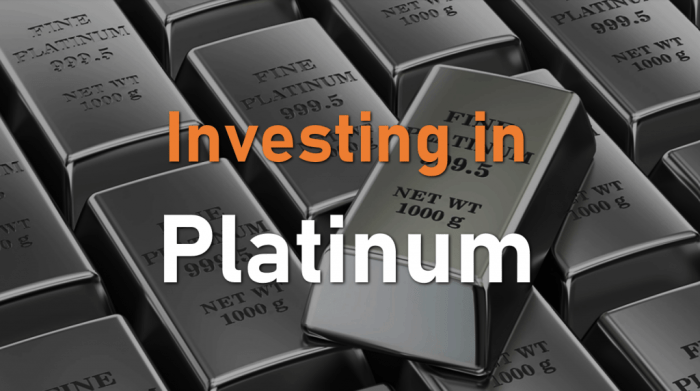
Investing in physical platinum, in the form of bars and coins, offers a tangible asset to diversify your investment portfolio. Unlike paper assets, physical platinum represents direct ownership of the metal, offering a hedge against inflation and economic uncertainty. This section details the process of acquiring and securing physical platinum, along with associated costs.
Acquiring Platinum Bars and Coins
Purchasing platinum bars and coins is generally straightforward. Reputable dealers, both online and brick-and-mortar, offer a variety of sizes and purities. Before making a purchase, it is crucial to verify the dealer’s legitimacy and reputation. Check for independent verification of purity and authenticity, often indicated by hallmarks stamped on the metal. The process typically involves selecting the desired quantity and size of platinum, providing identification for regulatory compliance, and completing the payment.
Shipping and insurance costs should be factored into the overall expense. Once purchased, you’ll receive confirmation and tracking information for your shipment.
Secure Storage of Physical Platinum
The secure storage of physical platinum is paramount. Given its value, safeguarding against theft and loss is essential. Several options exist, each with varying levels of security and cost. A home safe, ideally fireproof and anchored to the floor or wall, offers a convenient but less secure option. For enhanced security, consider renting a safe deposit box at a reputable bank or specialized storage facility.
These facilities often have advanced security measures, including surveillance and controlled access. Insurance is highly recommended, covering potential loss or damage from theft, fire, or other unforeseen events. The type and level of insurance will depend on the value of your platinum holdings.
Costs Associated with Purchasing and Storing Physical Platinum
The costs associated with investing in physical platinum include the purchase price itself, premiums over the spot price, shipping and insurance costs, and storage fees. The premium reflects the cost of refining, minting, and distribution. Shipping costs vary depending on the weight and distance, while insurance premiums are based on the value of the platinum. Storage costs can range from zero (if stored at home) to several hundred dollars annually for a safe deposit box.
It’s important to factor all these expenses into your overall investment strategy. For example, a 1-ounce platinum bar might cost $1,000 plus a $50 premium, $20 shipping, and $100 annual storage in a safe deposit box. These costs can vary significantly depending on the dealer, location, and chosen storage method.
Cost and Benefit Comparison of Platinum Bar Sizes
The following table compares the costs and benefits of different platinum bar sizes. Note that costs are estimates and can fluctuate based on market conditions and dealer premiums. Storage considerations reflect the practicality of securing different sizes.
| Size (Troy Ounces) |
Approximate Cost (USD) |
Purity |
Storage Considerations |
| 1 |
$1050 – $1200 |
99.95% |
Home safe or safe deposit box |
| 5 |
$5000 – $6000 |
99.95% |
Safe deposit box recommended |
| 10 |
$10000 – $12000 |
99.95% |
Safe deposit box strongly recommended |
| 100 |
$100000 – $120000 |
99.95% |
Specialized secure storage highly recommended |
Investing in Platinum Through ETFs and Mutual Funds
Investing in platinum through exchange-traded funds (ETFs) and mutual funds offers a convenient and diversified approach to gaining exposure to the platinum market without the need for direct physical ownership. These investment vehicles pool money from multiple investors to invest in a portfolio of assets, often including platinum futures contracts or physically-backed platinum holdings. This approach mitigates some of the risks associated with directly holding physical platinum, such as storage and security concerns.ETFs and mutual funds provide investors with a readily accessible and liquid way to participate in the platinum market, making them attractive to both seasoned and novice investors.
However, it’s crucial to understand the nuances of each fund before investing. Factors like expense ratios, underlying holdings, and investment strategies significantly impact overall returns.
Top-Performing Platinum ETFs and Mutual Funds
Identifying specific “top-performing” funds requires specifying a time frame and considering performance relative to benchmarks. Past performance is not indicative of future results. However, we can illustrate the concept using hypothetical examples. Let’s imagine two hypothetical platinum ETFs: “PlatinumPlus ETF” and “GlobalPlatinum ETF.” Assume that over the past five years, PlatinumPlus ETF had an average annual return of 8%, while GlobalPlatinum ETF returned 6%.
This would suggest PlatinumPlus ETF outperformed GlobalPlatinum ETF during that period. It is important to note that this is a purely hypothetical example and actual performance varies significantly depending on market conditions. Real-world examples would require consulting financial databases and considering various factors beyond simple return figures.
Expense Ratios and Management Fees Comparison
Expense ratios and management fees are crucial factors influencing the overall return on investment. These fees represent the costs associated with managing the fund. For instance, let’s assume PlatinumPlus ETF has an expense ratio of 0.75%, while GlobalPlatinum ETF has an expense ratio of 1.25%. This means that for every $10,000 invested, PlatinumPlus ETF would charge $75 annually, whereas GlobalPlatinum ETF would charge $125.
This seemingly small difference can significantly impact long-term returns. Investors should always compare the expense ratios of different funds before making a decision. A lower expense ratio generally translates to higher returns for the investor.
Advantages and Disadvantages of Investing in Platinum Through ETFs and Mutual Funds
Investing in platinum through ETFs and mutual funds presents both advantages and disadvantages.
- Advantages: Diversification, liquidity, ease of access, professional management, lower minimum investment requirements compared to physical platinum.
- Disadvantages: Exposure to market fluctuations, expense ratios and management fees, lack of direct control over the physical asset, potential for counterparty risk (especially with futures-based ETFs).
Factors to Consider When Choosing a Platinum ETF or Mutual Fund
Before investing in a platinum ETF or mutual fund, several key factors warrant careful consideration.
- Expense Ratio: Choose funds with lower expense ratios to maximize returns.
- Underlying Assets: Understand what assets the fund invests in (e.g., physical platinum, futures contracts).
- Investment Strategy: Consider the fund’s investment approach (e.g., passive tracking of an index, active management).
- Past Performance: While not indicative of future results, past performance can provide insights into the fund’s historical risk and return characteristics.
- Liquidity: Ensure the fund is liquid enough to allow for easy buying and selling.
- Minimum Investment: Check the minimum investment requirement, which may vary significantly across different funds.
Precious Metals
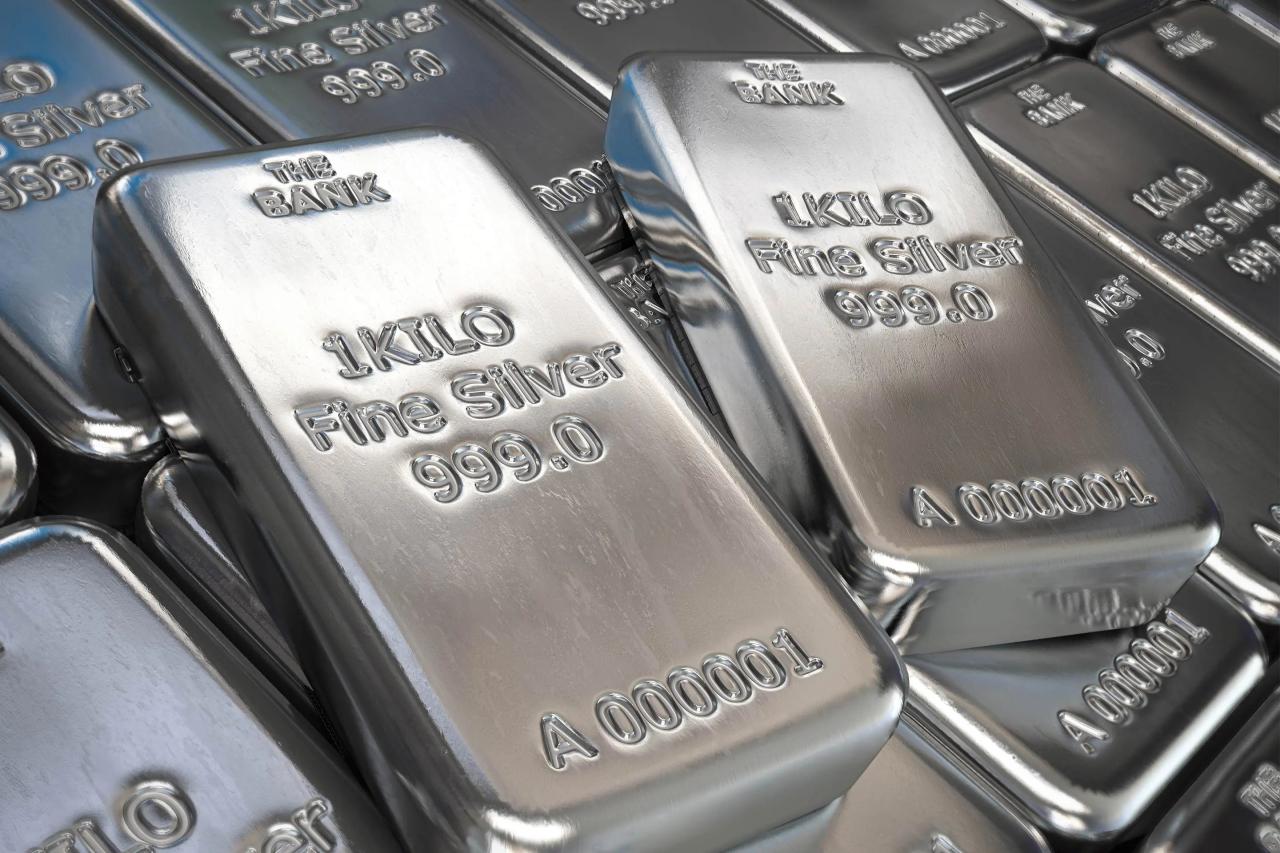
Precious metals, including platinum, gold, silver, and palladium, have long held a place in investment portfolios due to their inherent value and perceived safe-haven status. Their price movements are influenced by a complex interplay of factors, making understanding the broader precious metals market crucial before focusing on a single metal like platinum.
Factors Driving the Precious Metals Market
Several key factors influence the overall precious metals market. Geopolitical instability, for instance, often leads investors to seek refuge in precious metals, driving up demand and prices. Economic uncertainty, such as inflation or recessionary fears, also boosts the appeal of precious metals as a store of value. Industrial demand plays a significant role, particularly for platinum and palladium, which are essential in automotive catalytic converters and other industrial applications.
Supply and demand dynamics, including mining production, recycling rates, and investment flows, are continuously shaping market prices. Finally, currency fluctuations and investor sentiment can exert considerable influence on precious metal prices. For example, a weakening US dollar can make precious metals more attractive to international investors, increasing demand and potentially boosting prices.
Long-Term Performance Comparison of Precious Metals
Comparing the long-term performance of platinum, gold, silver, and palladium reveals distinct characteristics. While all four generally appreciate over extended periods, their price movements and volatility differ significantly. Gold, historically considered a safe-haven asset, often exhibits relatively stable growth, though it can experience periods of stagnation or decline. Silver, often more volatile than gold, tends to show stronger price swings, reflecting its industrial use alongside its investment appeal.
Platinum and palladium, heavily reliant on industrial demand, experience price fluctuations directly tied to automotive and other industrial sectors. Long-term performance data, available from reputable financial sources, would show periods where one metal outperforms the others, highlighting the importance of diversification within the precious metals sector itself. For example, a period of strong economic growth might favor palladium and platinum due to increased industrial demand, while a period of global uncertainty might see gold outperform the other metals.
Role of Precious Metals in a Diversified Portfolio
Precious metals serve as a valuable component in a well-diversified investment portfolio. Their low correlation with traditional asset classes like stocks and bonds helps reduce overall portfolio volatility. During periods of market downturn, precious metals can act as a hedge, potentially mitigating losses in other parts of the portfolio. They offer a store of value, protecting against inflation and currency devaluation.
The specific allocation of precious metals will depend on an investor’s risk tolerance, investment timeline, and overall financial goals. A conservative investor might allocate a smaller percentage to precious metals, while a more aggressive investor might consider a larger allocation, recognizing the inherent volatility.
Examples of Precious Metals Investment Strategies
Different investors employ various strategies when incorporating precious metals into their portfolios. Some prefer physical ownership of precious metals like gold and platinum bars or coins, offering tangible security and direct control. Others might invest in exchange-traded funds (ETFs) or mutual funds that track precious metal prices, offering liquidity and diversification. Some investors use precious metals as a short-term hedge against inflation, buying and selling based on market predictions.
For example, an investor anticipating a period of high inflation might increase their allocation to gold and silver, expecting these metals to retain their value better than other assets. Conversely, an investor with a long-term horizon might prefer a “buy-and-hold” strategy for platinum, believing in its long-term appreciation potential tied to industrial demand. Sophisticated investors might even use options and futures contracts to speculate on price movements, though this carries a higher level of risk.
Platinum Investment Strategies
Investing in platinum, like any precious metal, requires a strategic approach tailored to your risk tolerance and financial goals. A well-defined strategy can significantly impact your potential returns and overall portfolio performance. Understanding the nuances of conservative versus aggressive strategies is crucial for making informed investment decisions.
Conservative Platinum Investment Strategy
A conservative platinum investment strategy prioritizes capital preservation and minimizes risk. This approach typically involves a long-term holding period and diversification across various assets. For example, a conservative investor might allocate a small percentage (perhaps 5-10%) of their overall portfolio to platinum, holding it as a hedge against inflation and economic uncertainty. They would likely invest in platinum through established and reputable ETFs or mutual funds rather than directly purchasing physical platinum, reducing the risks associated with storage and security.
Regular rebalancing of the portfolio ensures the allocated percentage remains consistent, mitigating potential losses from market fluctuations. This strategy is suitable for investors with a low risk tolerance and a long-term investment horizon.
Aggressive Platinum Investment Strategy
An aggressive platinum investment strategy focuses on maximizing potential returns, accepting higher levels of risk in the process. This approach often involves leveraging, higher allocations to platinum, and potentially investing in more volatile platinum-related securities. For instance, an aggressive investor might dedicate a larger portion of their portfolio (perhaps 20-30% or more) to platinum, potentially investing directly in physical platinum bars or coins.
They might also explore options trading or leverage to amplify gains (but also losses). This strategy necessitates a thorough understanding of market dynamics and a higher risk tolerance. It’s important to note that while aggressive strategies can yield significant returns, they also carry a substantially higher risk of significant losses. This strategy is best suited for experienced investors with a high risk tolerance and a shorter investment horizon who are comfortable with potentially substantial fluctuations in their investment value.
Comparison of Conservative and Aggressive Platinum Investment Strategies
The following points highlight the key differences between conservative and aggressive platinum investment strategies:
Investing in platinum offers a compelling alternative to traditional assets, but requires careful consideration of its inherent volatility and market dynamics. By understanding the various investment vehicles available—physical platinum, ETFs, mutual funds, and mining stocks—and by developing a well-defined investment strategy aligned with your risk profile, you can effectively harness the potential of this precious metal. Remember to conduct thorough research and consult with a financial advisor before making any investment decisions.
Commonly Asked Questions
What are the tax implications of investing in platinum?
Tax implications vary depending on your location and the specific investment method. Capital gains taxes may apply to profits from selling platinum or platinum-related investments. Consult a tax professional for personalized advice.
How liquid is platinum as an investment?
Liquidity depends on the investment method. Physical platinum can be less liquid than ETFs or mining stocks, requiring more time and effort to sell. ETFs and stocks generally offer greater liquidity.
What are the storage risks associated with physical platinum?
Physical platinum requires secure storage to protect against theft or damage. Consider using a reputable vault or safe deposit box. Insurance is also recommended.
Is platinum a good hedge against inflation?
Historically, platinum has shown some correlation with inflation, but its performance isn’t as consistently strong as gold in this regard. Its industrial demand is a significant factor influencing its price.